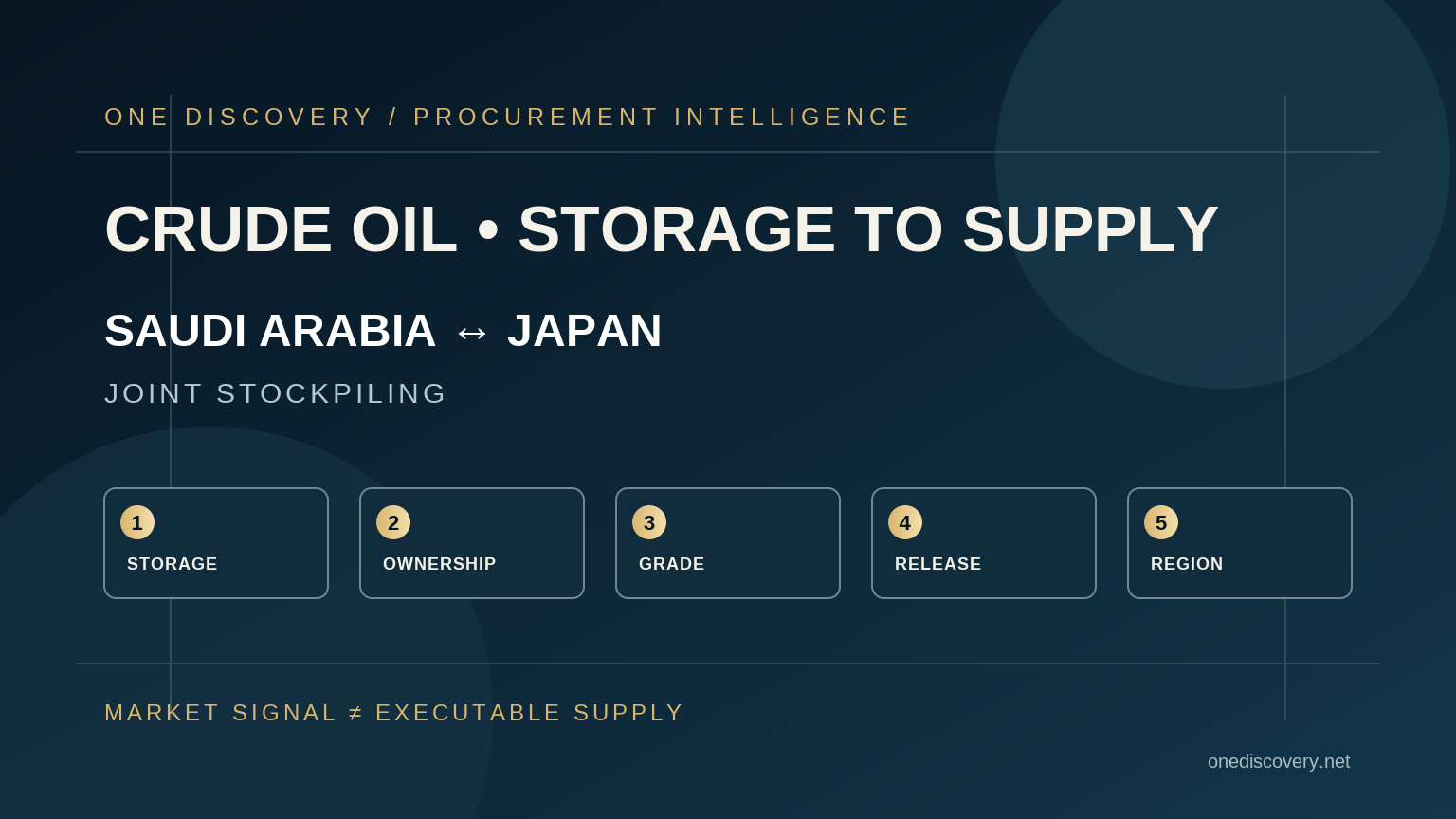
Japan plans to add 16 million barrels of storage for Saudi crude and may buy up to 8 million barrels for national reserves. Five checks on access, timing and supply impact.
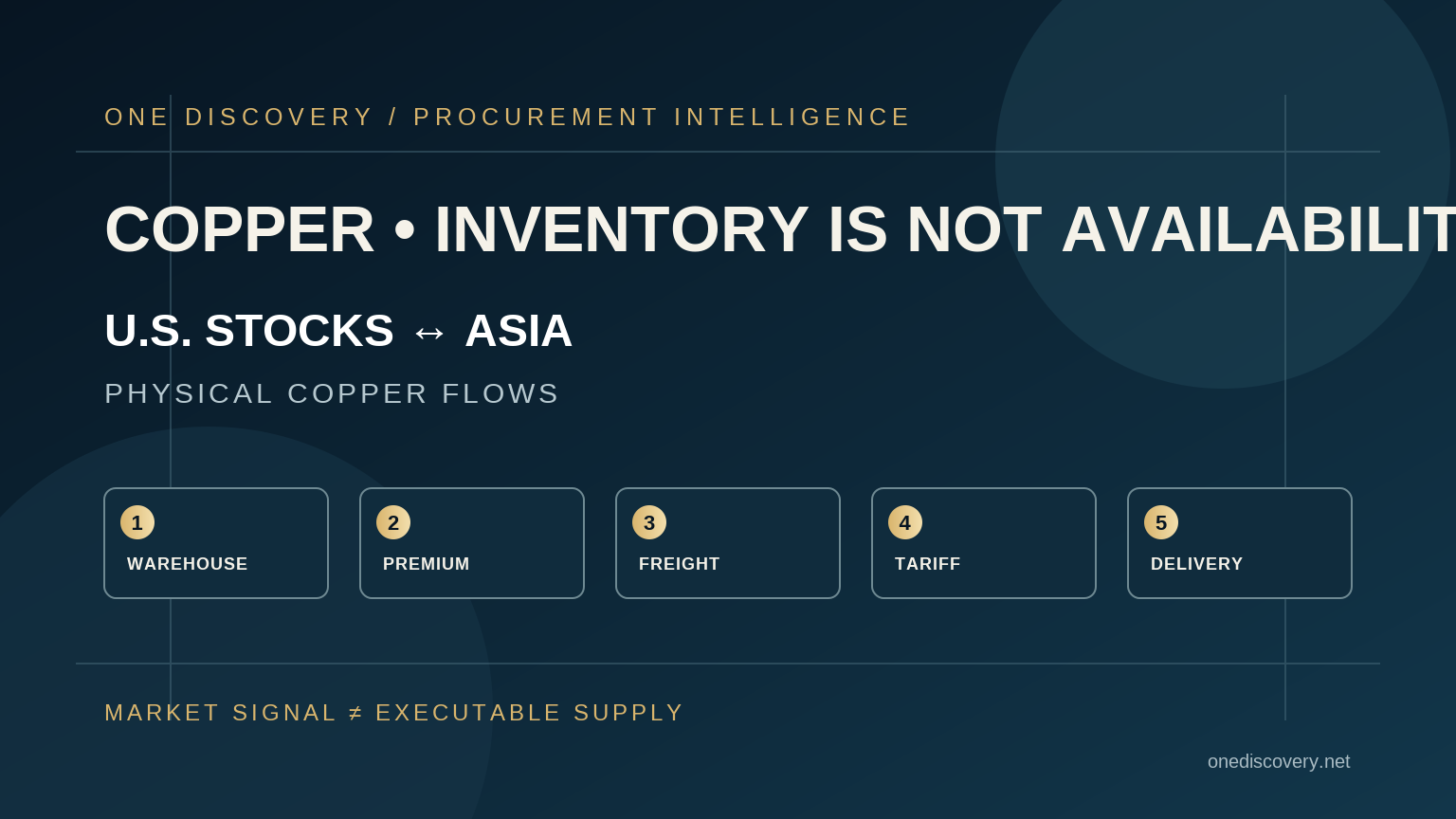
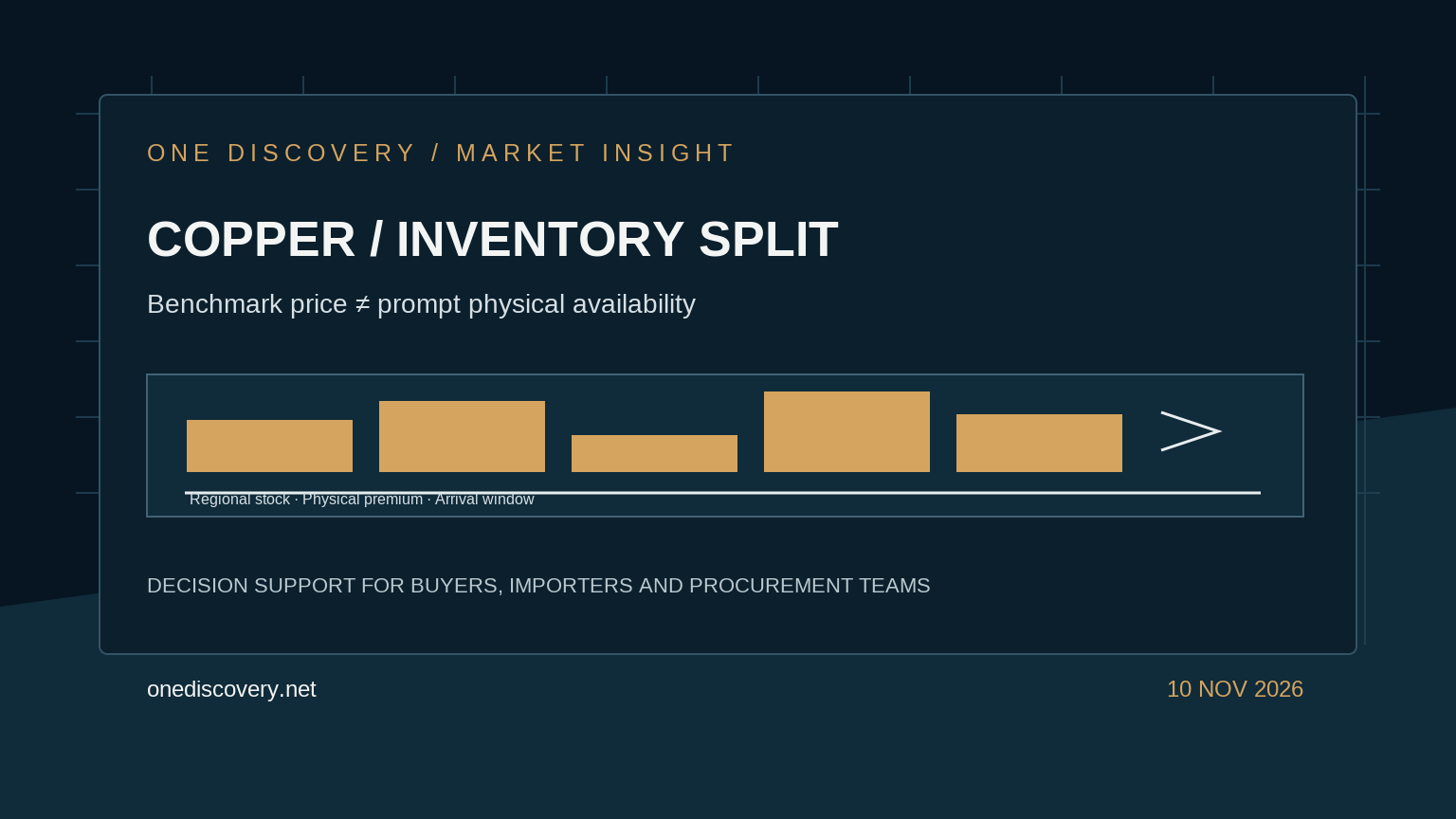
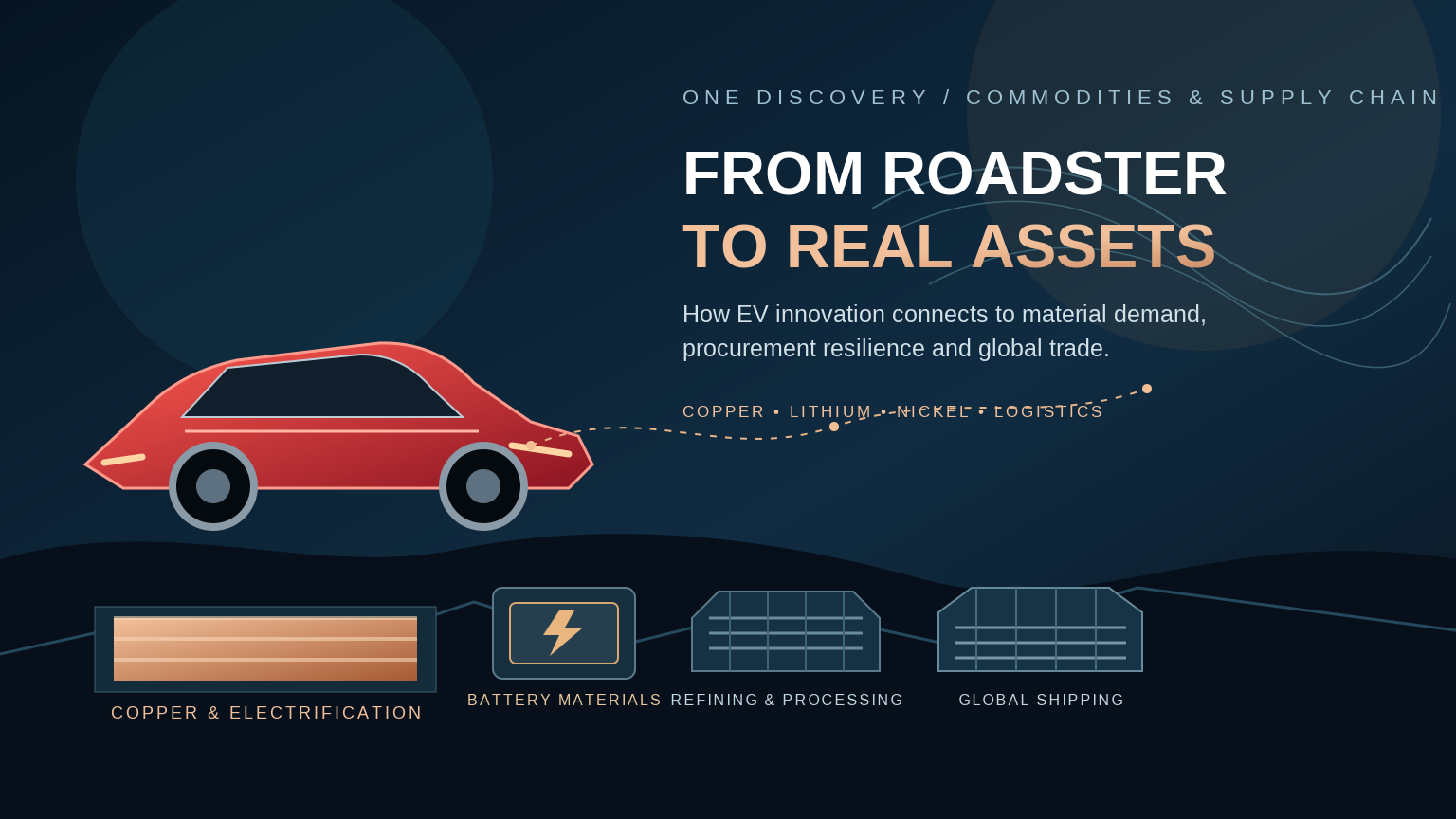
Copper inventories and physical premiums are diverging across the U.S. and China. Five checks for buyers assessing location, timing, tariffs and delivered cost.
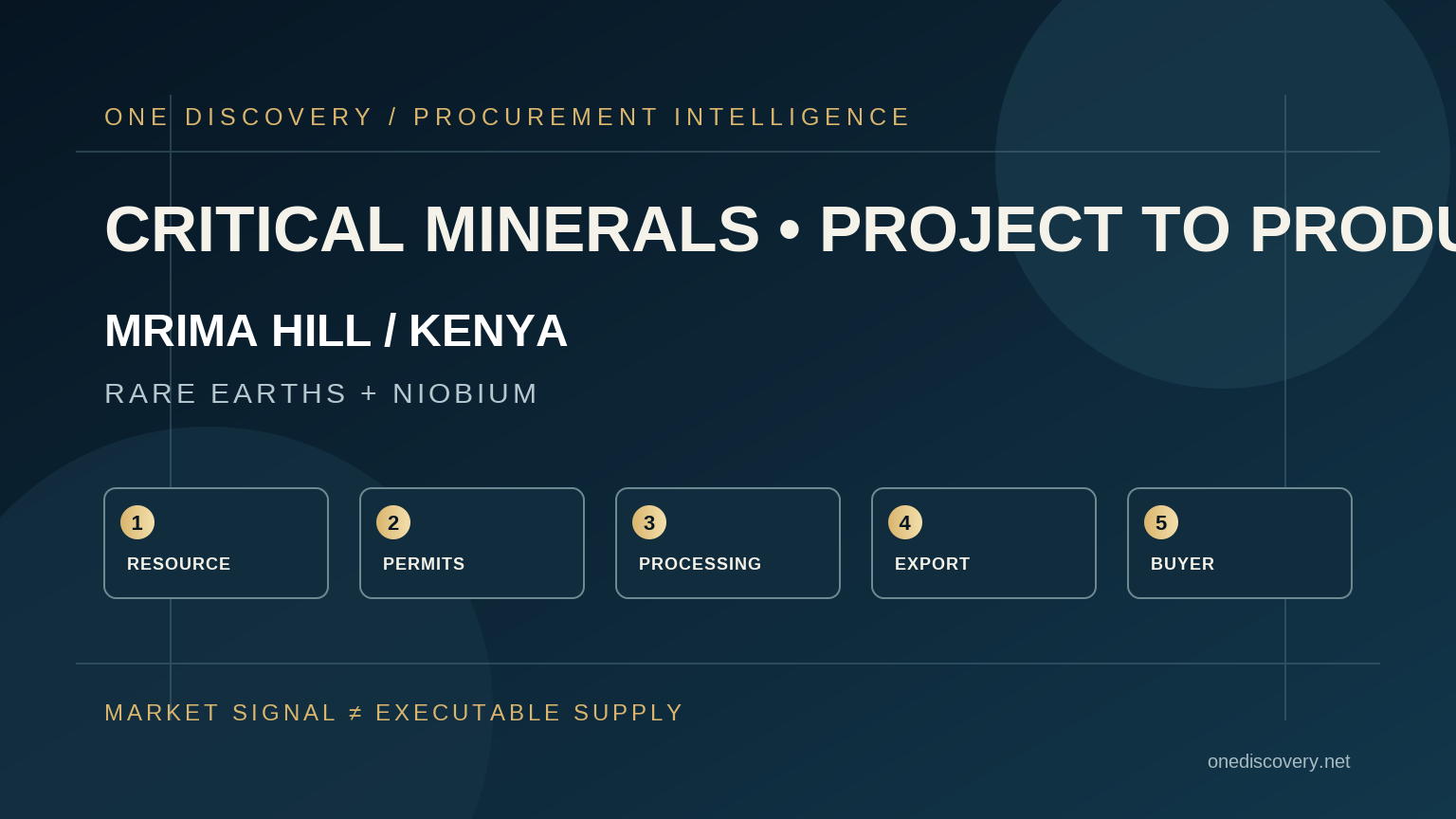
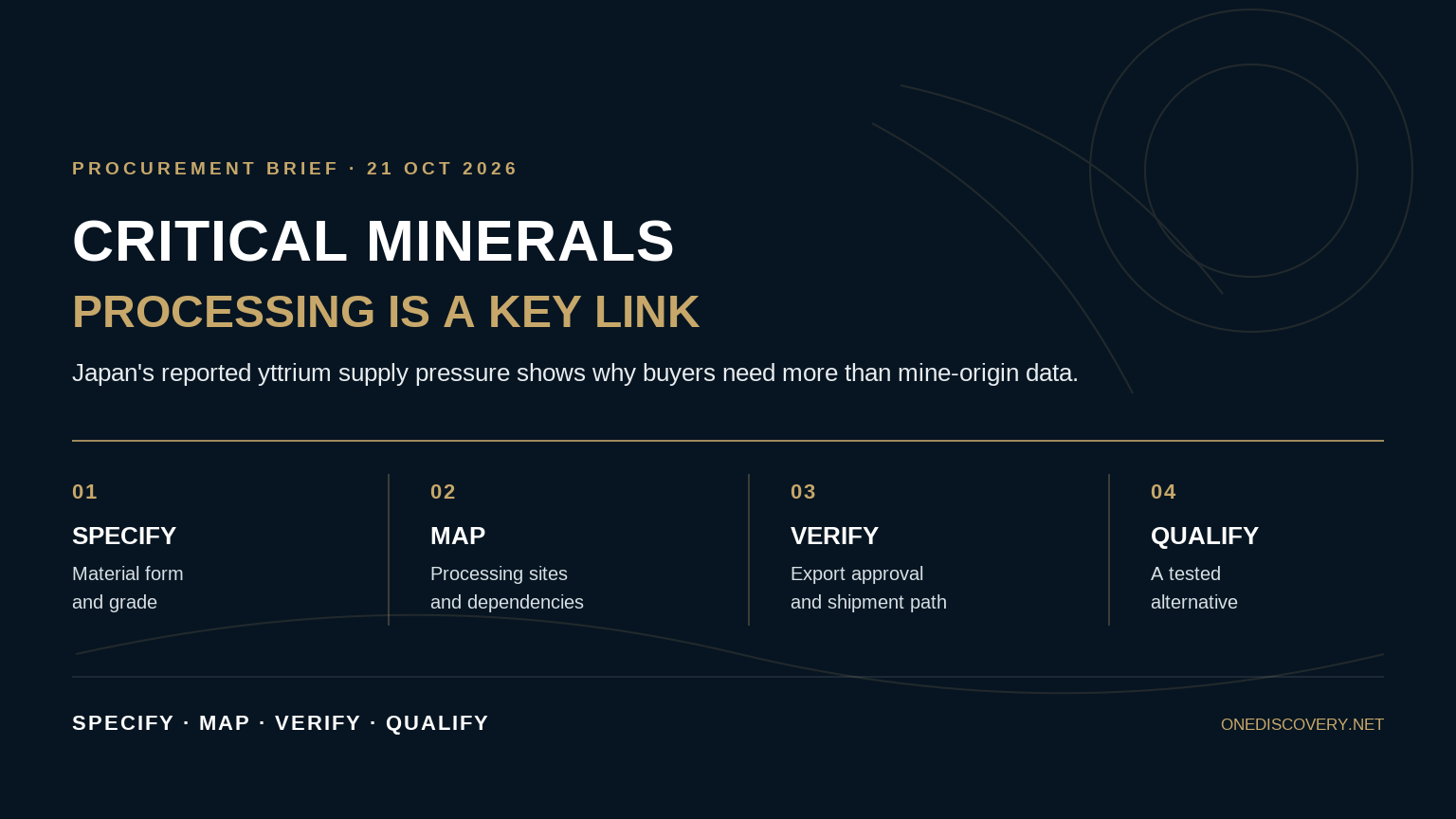
Kenya has named a preferred bidder for the Mrima Hill rare-earth and niobium project. Five checks on licensing, community consent, processing and supply-chain readiness.
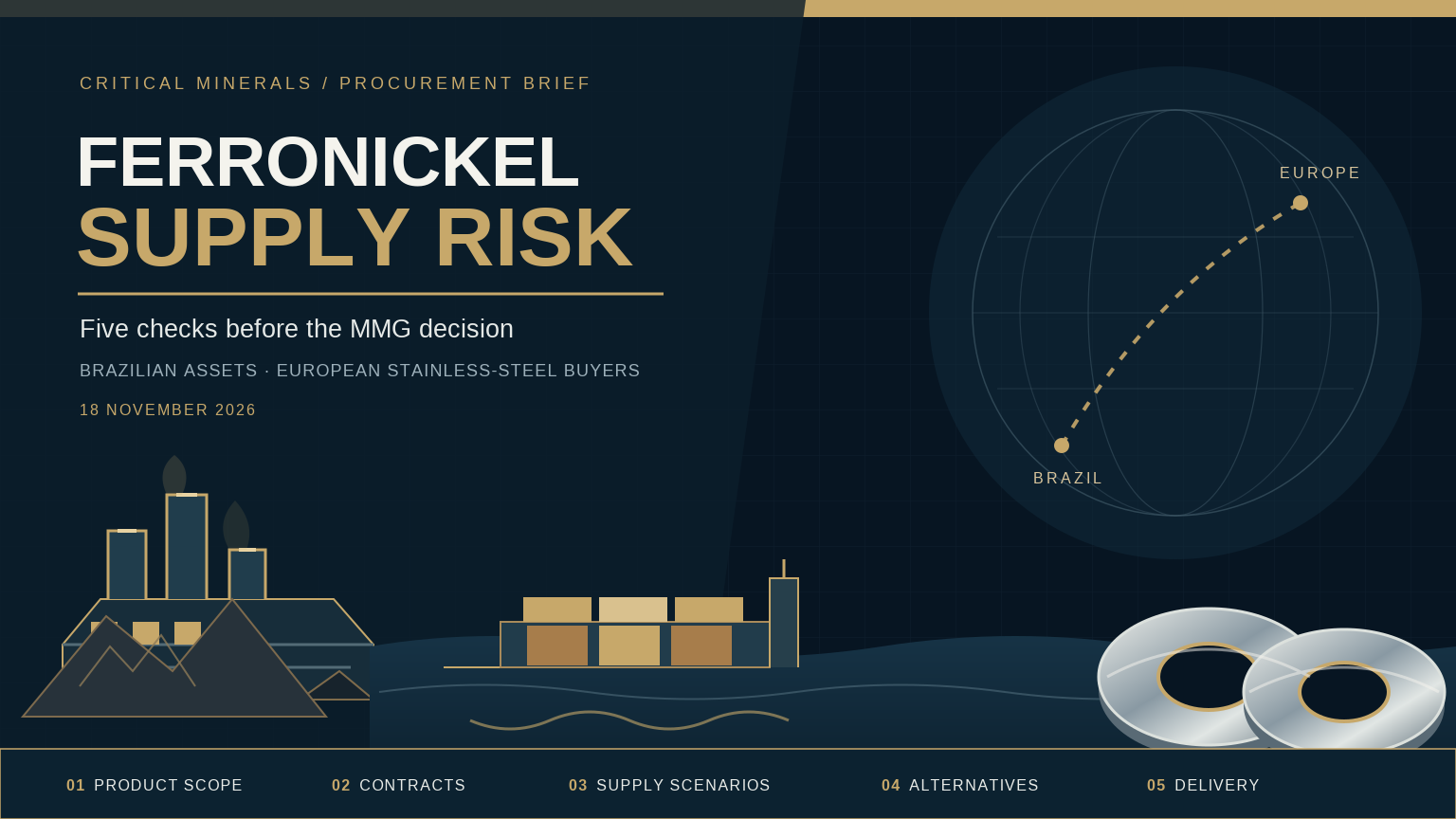
Anglo American’s warning over its proposed Brazilian nickel-asset sale puts low-carbon ferronickel continuity under scrutiny. Five checks for EU buyers.
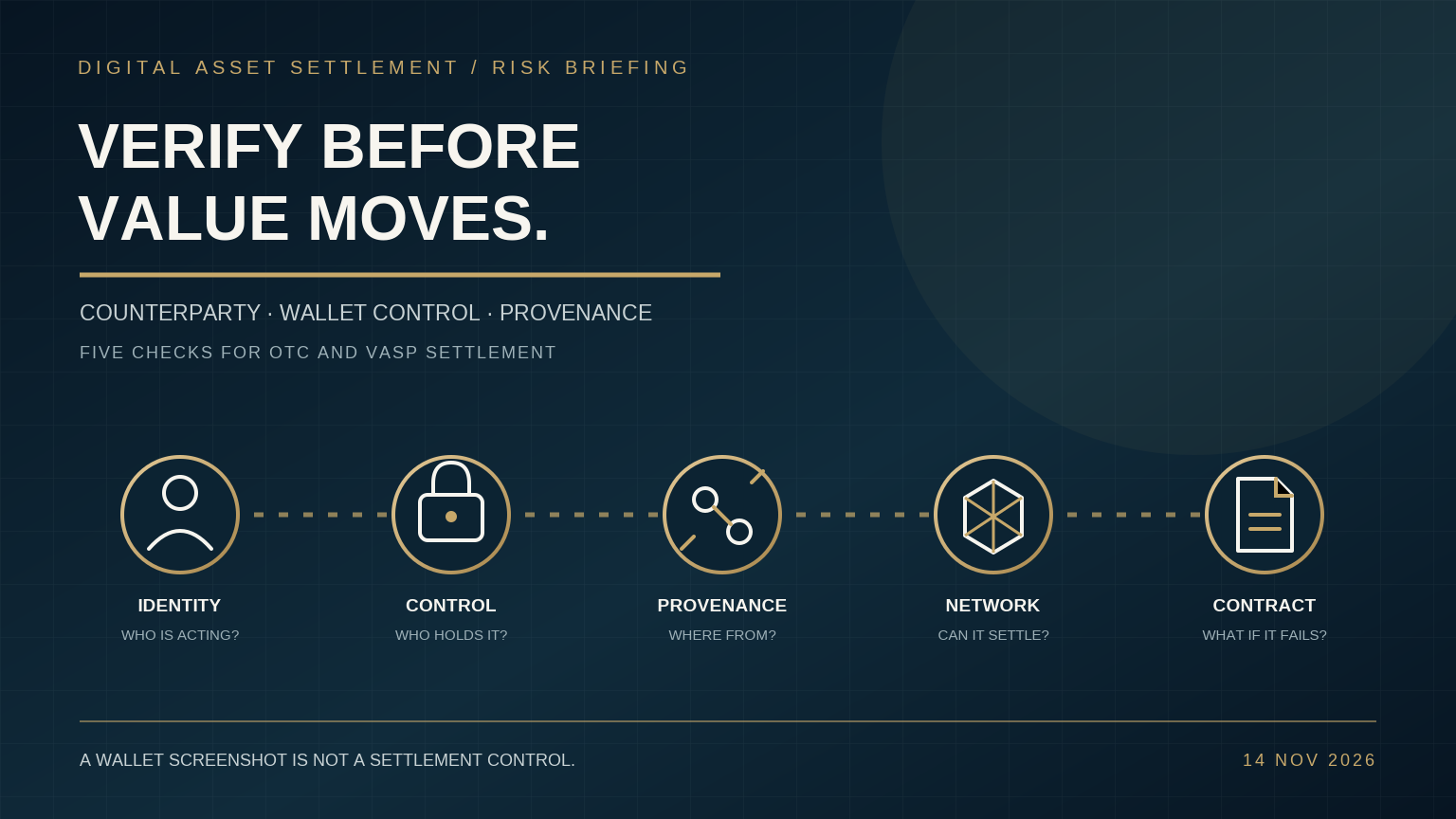
A Binance security incident and phased withdrawal recovery show why OTC buyers must verify identity, wallet control, fund origin and settlement routes.
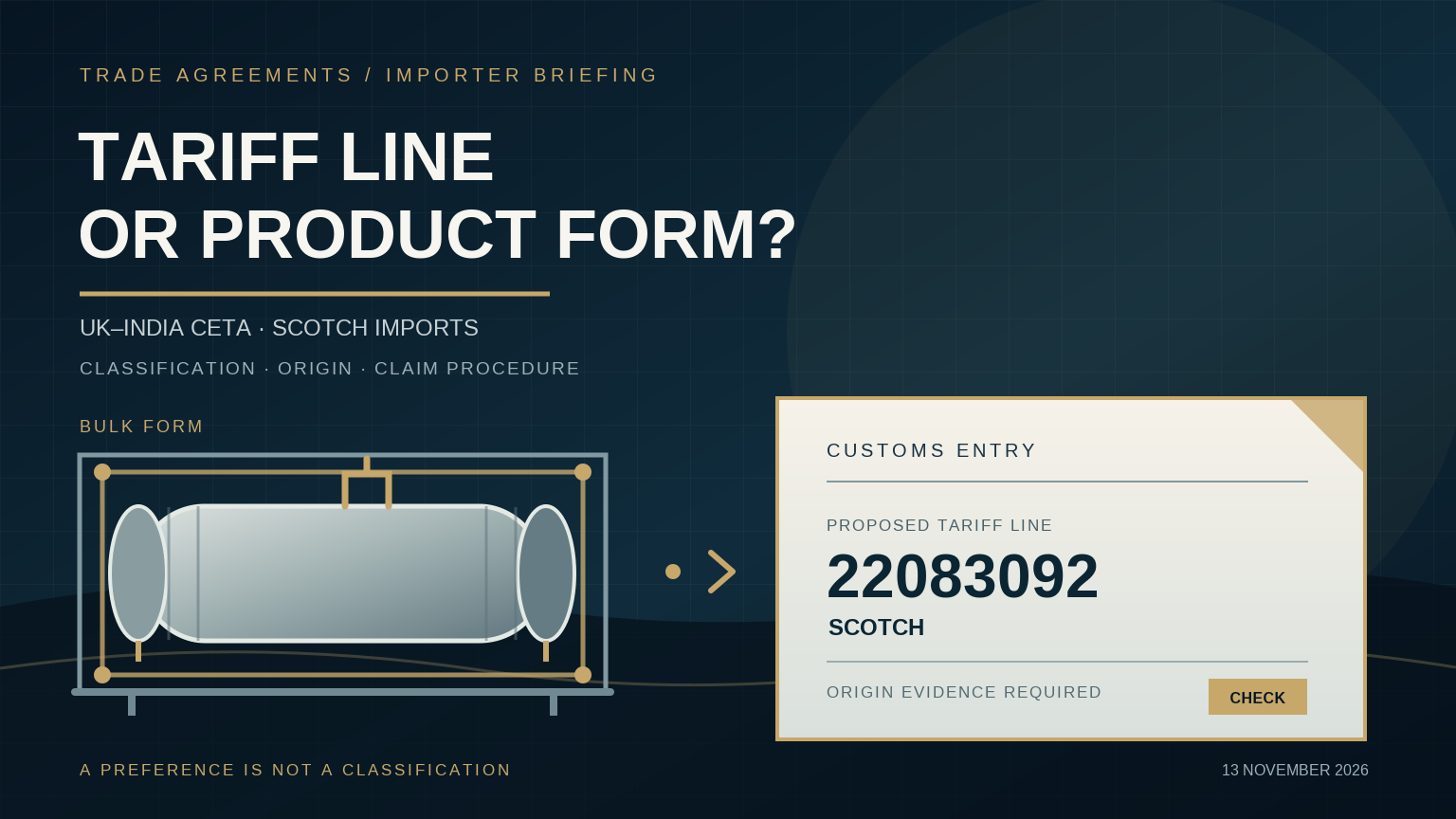
A reported bulk-Scotch customs dispute tests the UK–India CETA. Five checks for importers on tariff classification, origin evidence and clearance risk.
The Philippines’ DO No. 33 restricts nine pork tariff lines provisionally. Five checks on product scope, shipment timing, inventory, contracts and next steps.
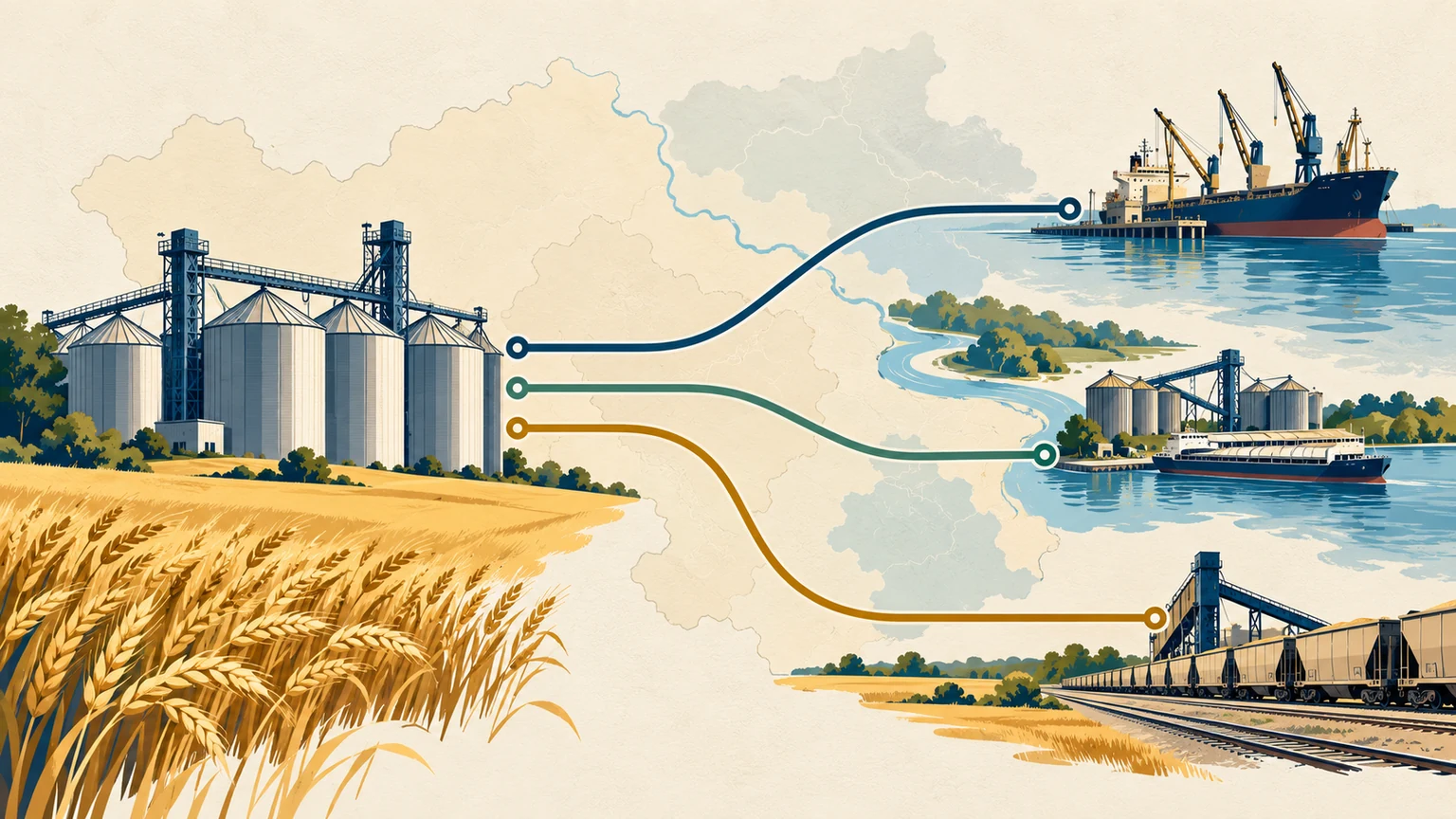
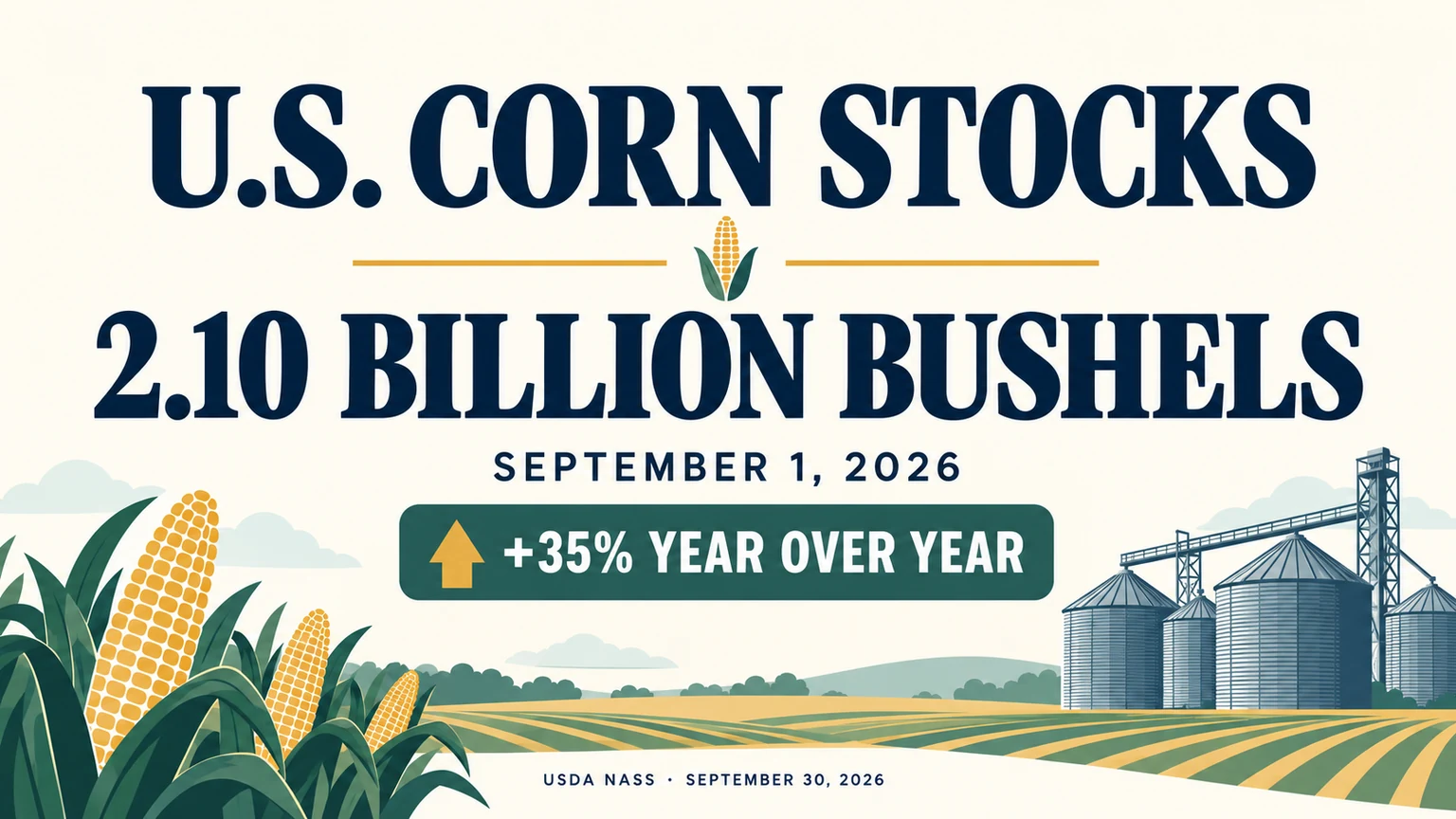
USDA’s November balance sheet tightens U.S. corn and soybean carryout but raises global wheat stocks. Five checks for grain buyers on origin, timing and data.
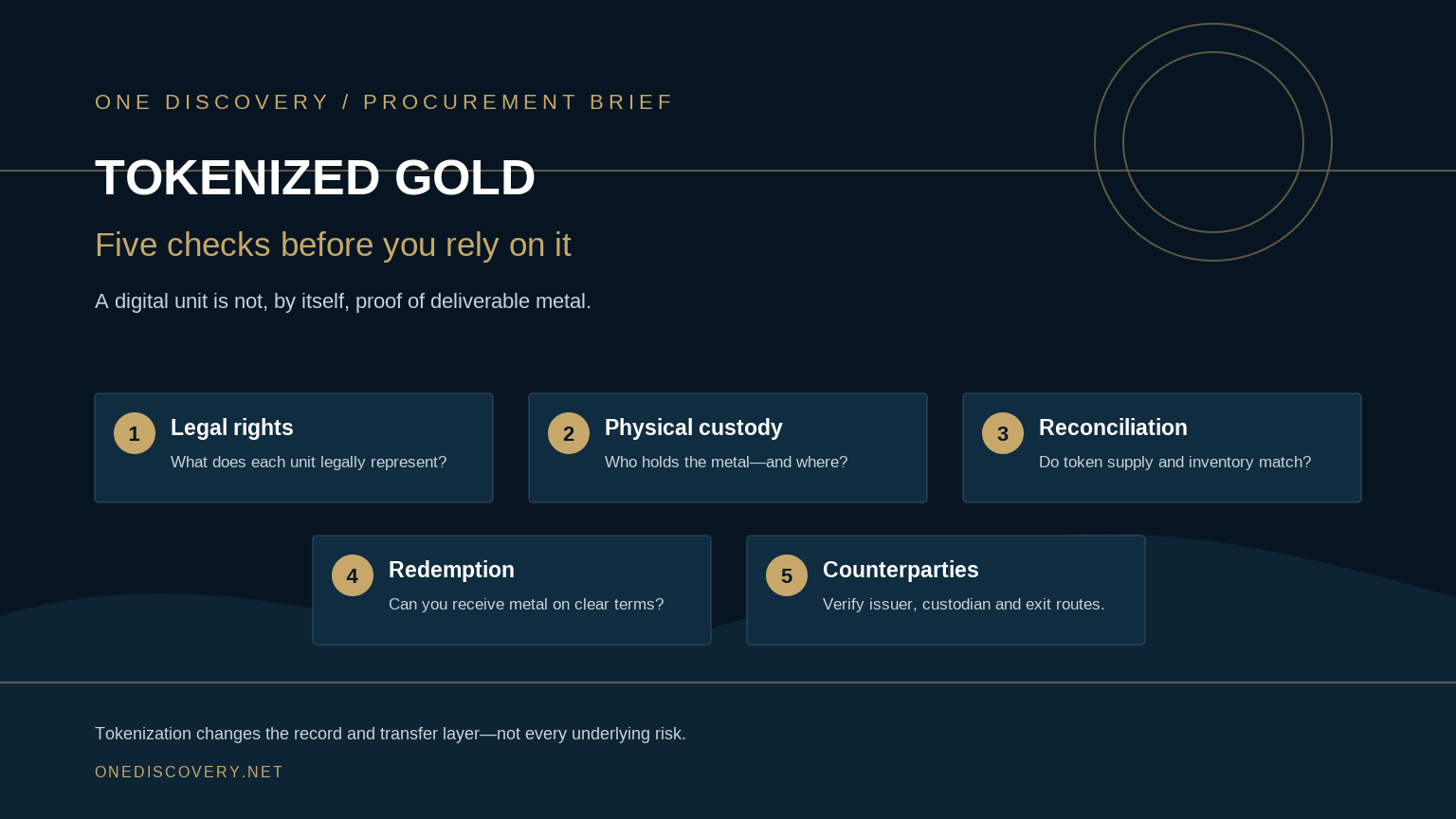
CFTC guidance and new digital-gold infrastructure proposals make tokenization more relevant. Five checks before treating a token as commodity inventory or collateral.
Copper inventories are uneven across regions while Chinese spot premiums remain elevated. Four checks for procurement teams managing price and delivery risk.
Maersk’s November market update says AI-related goods made up 29.7% of U.S. air import volumes by weight in Q2 2026. Buyers should review lane exposure and contingency options.
The October 2026 Logistics Growth Index showed modest global expansion with different regional readings. Buyers should use it as a directional signal, not a lane-level service guarantee.
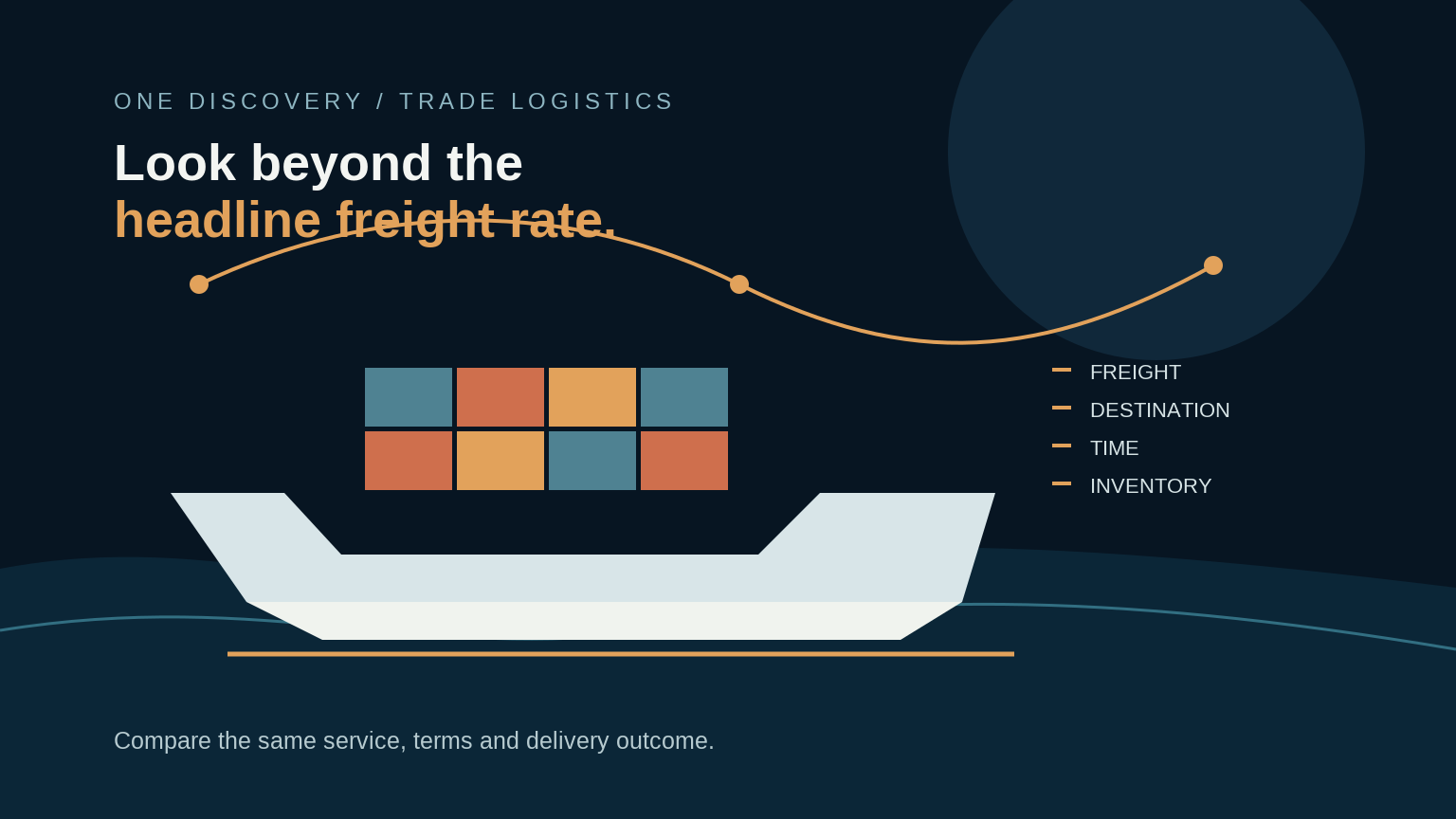
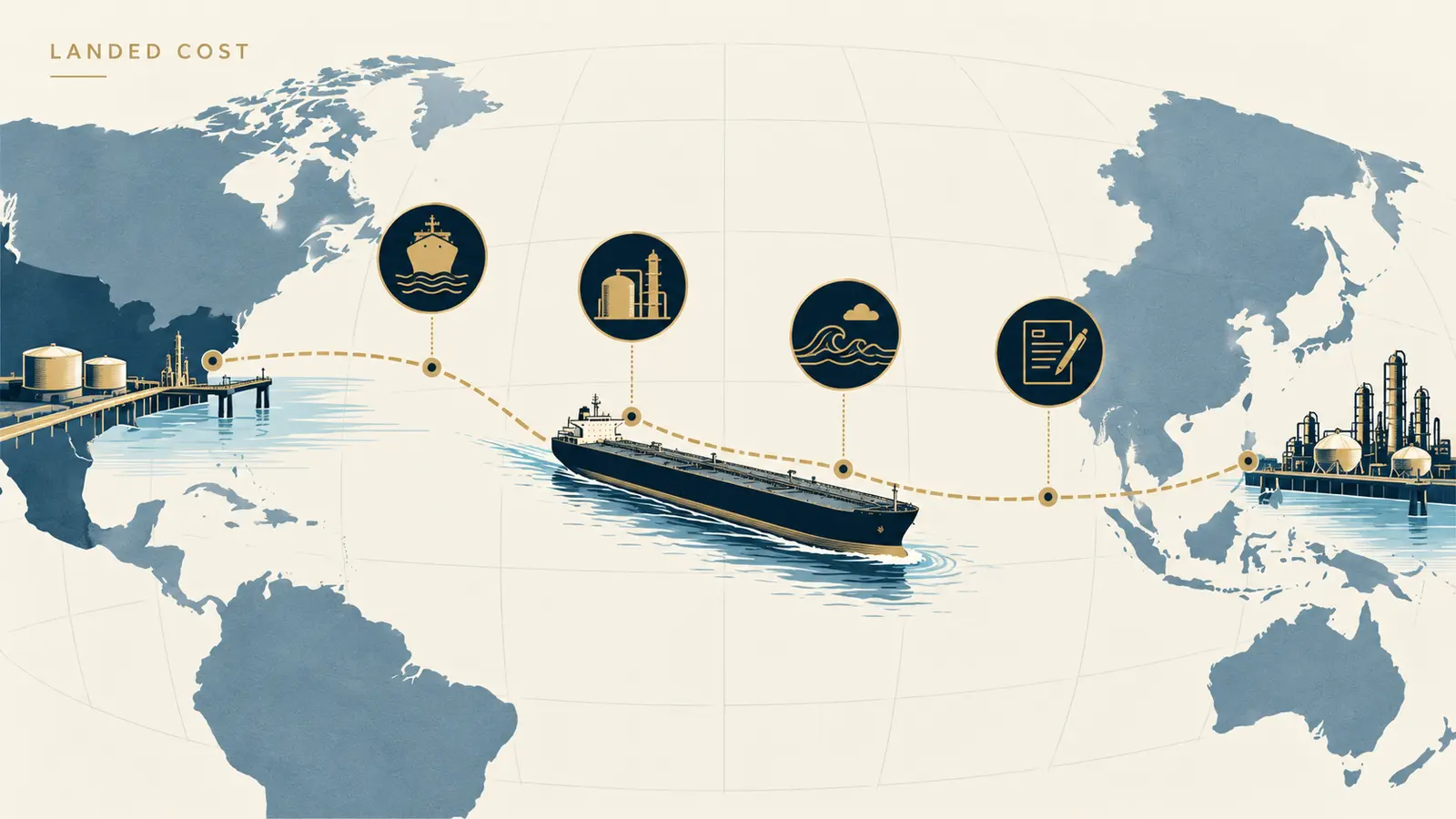
Drewry’s container index eased in early November, but regional rates, capacity changes and possible port disruption still matter to landed-cost planning.
November freight reporting points to lingering schedule disruption even as peak-season demand eases. A practical response plan for importers managing holiday stock.
The WTO’s 4 November trade policy review is a prompt to check how regulation, customs and market access affect supplier assumptions—not a substitute for shipment-level verification.
The World Bank’s 3 November update showed diverging moves across energy, agriculture and metals. Use category-level checks instead of one broad commodity assumption.
The World Bank’s October 2026 outlook points to rising commodity costs and supply shocks. Five stress tests to make procurement budgets more resilient.
The UK’s Budget 2026 proposes consulting on refined products under CBAM. Five checks to separate current rules from future scope and prepare supplier evidence.
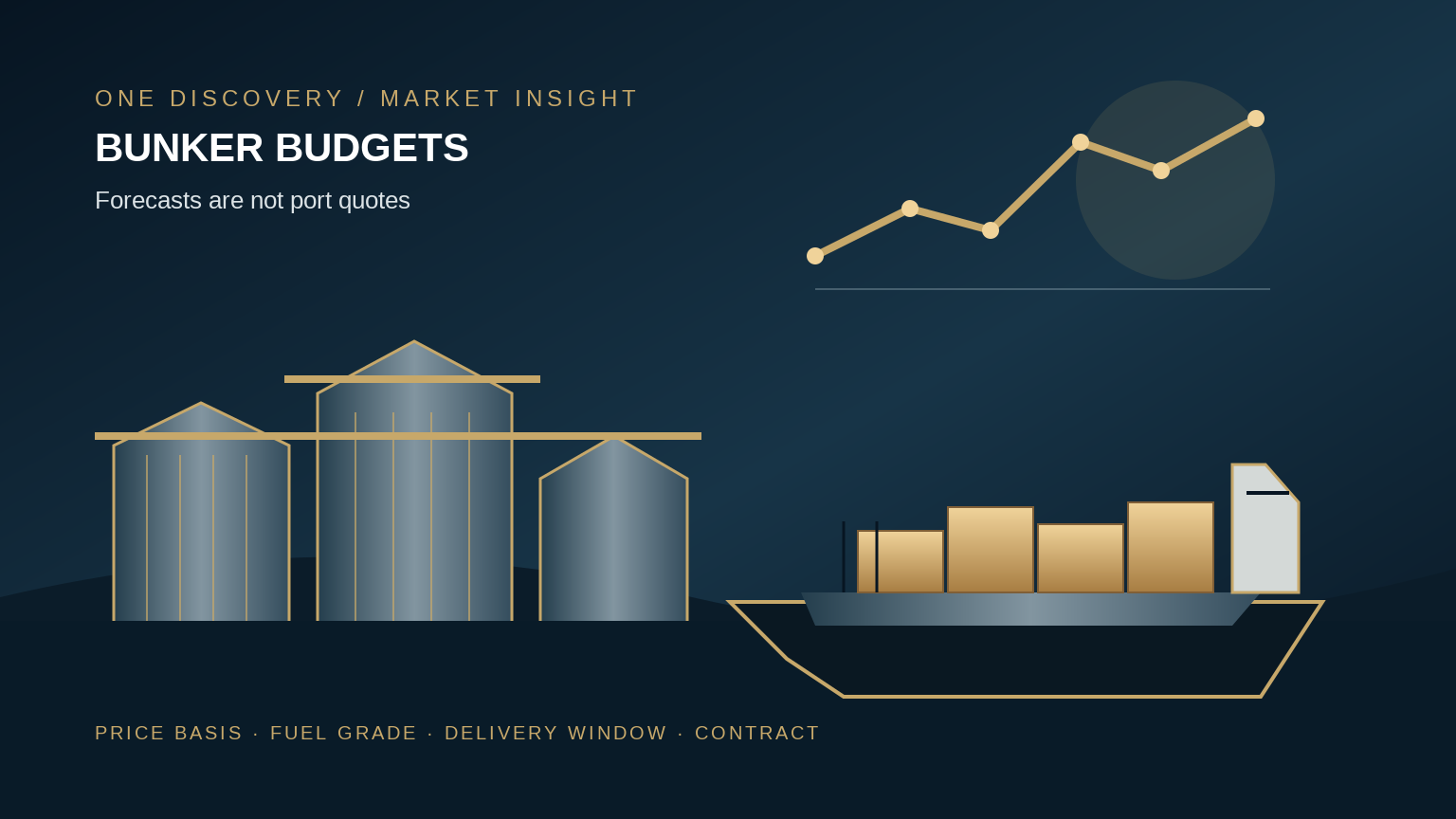
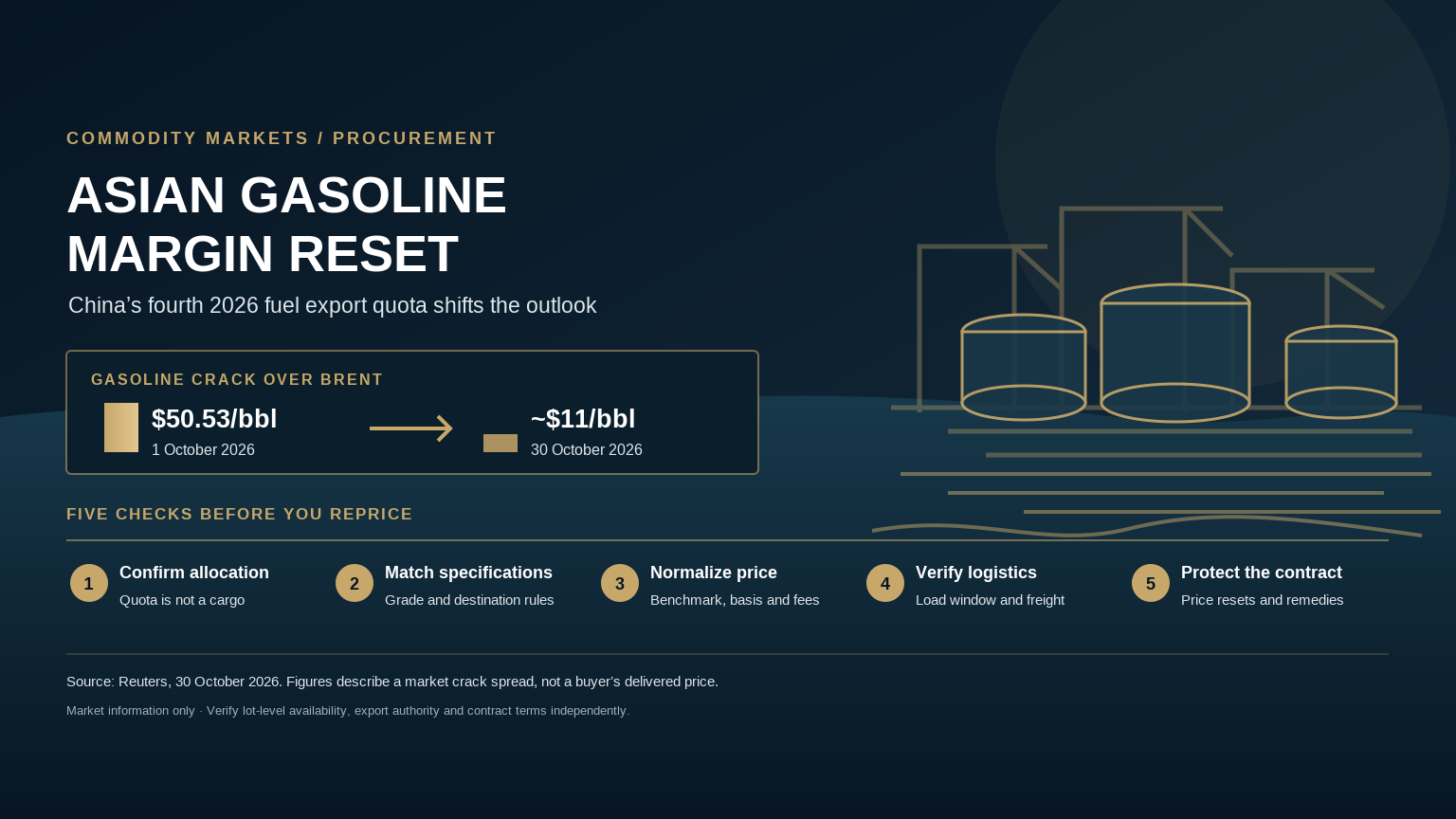
Asian gasoline cracks fell sharply after China issued another 2026 fuel export quota. Five checks for lot availability, specification, price basis, logistics and contract protection.
Coordinated dockworker actions are underway at 100+ ports, but disruption varies. Five checks for terminal status, cut-offs, inland links and contract costs.
A new U.S. Section 232 proclamation directs talks on robotics and machinery imports. Five buyer checks for scope, duties, origin, security and contracts.
DOE has designated helium a critical material as supply risks rise. Five checks for buyers on source, refining, logistics, allocation and contract resilience.
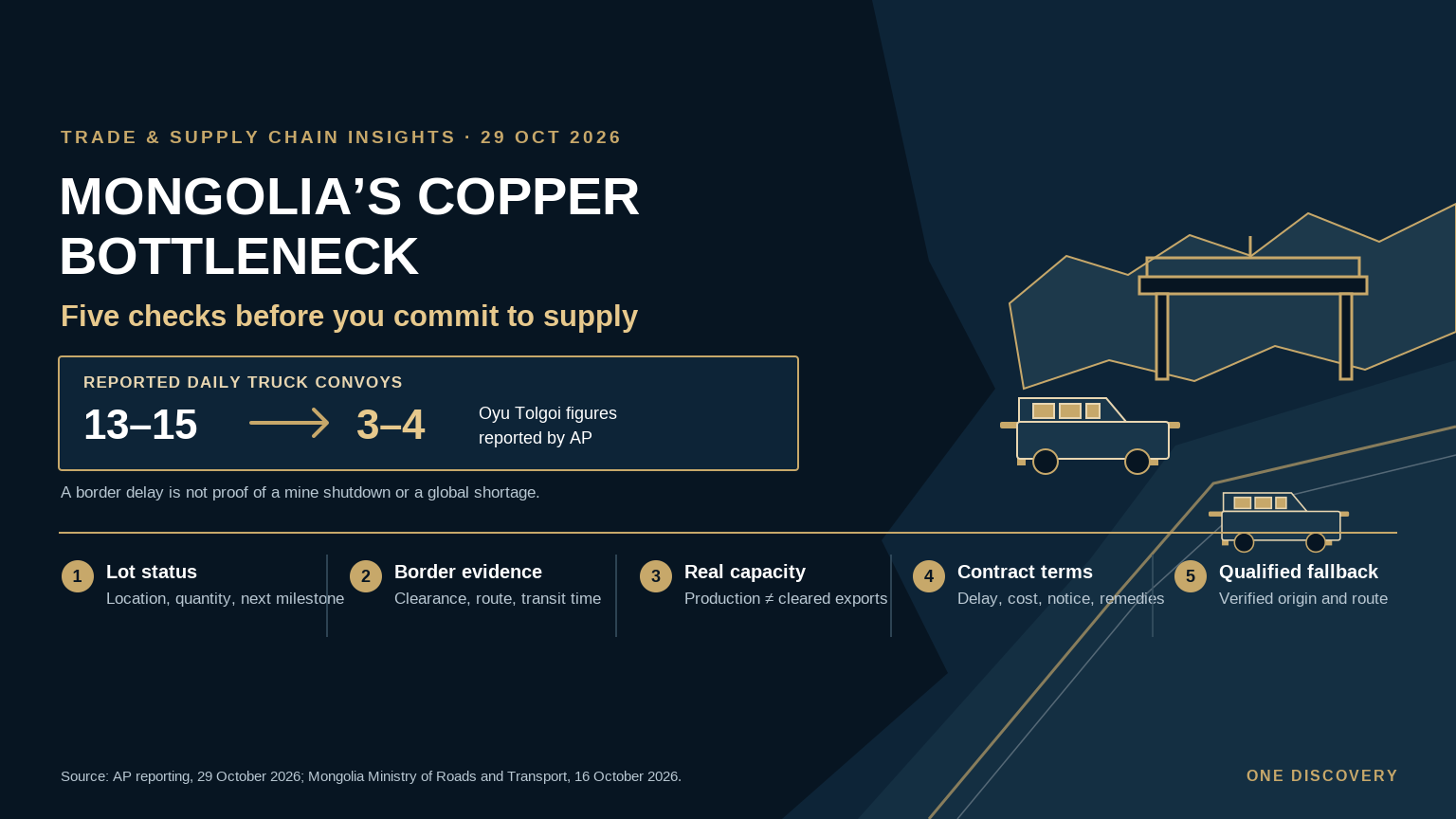
Oyu Tolgoi says copper concentrate truck movements into China have fallen sharply amid border upgrades. Five checks to separate a border delay from a supply failure.
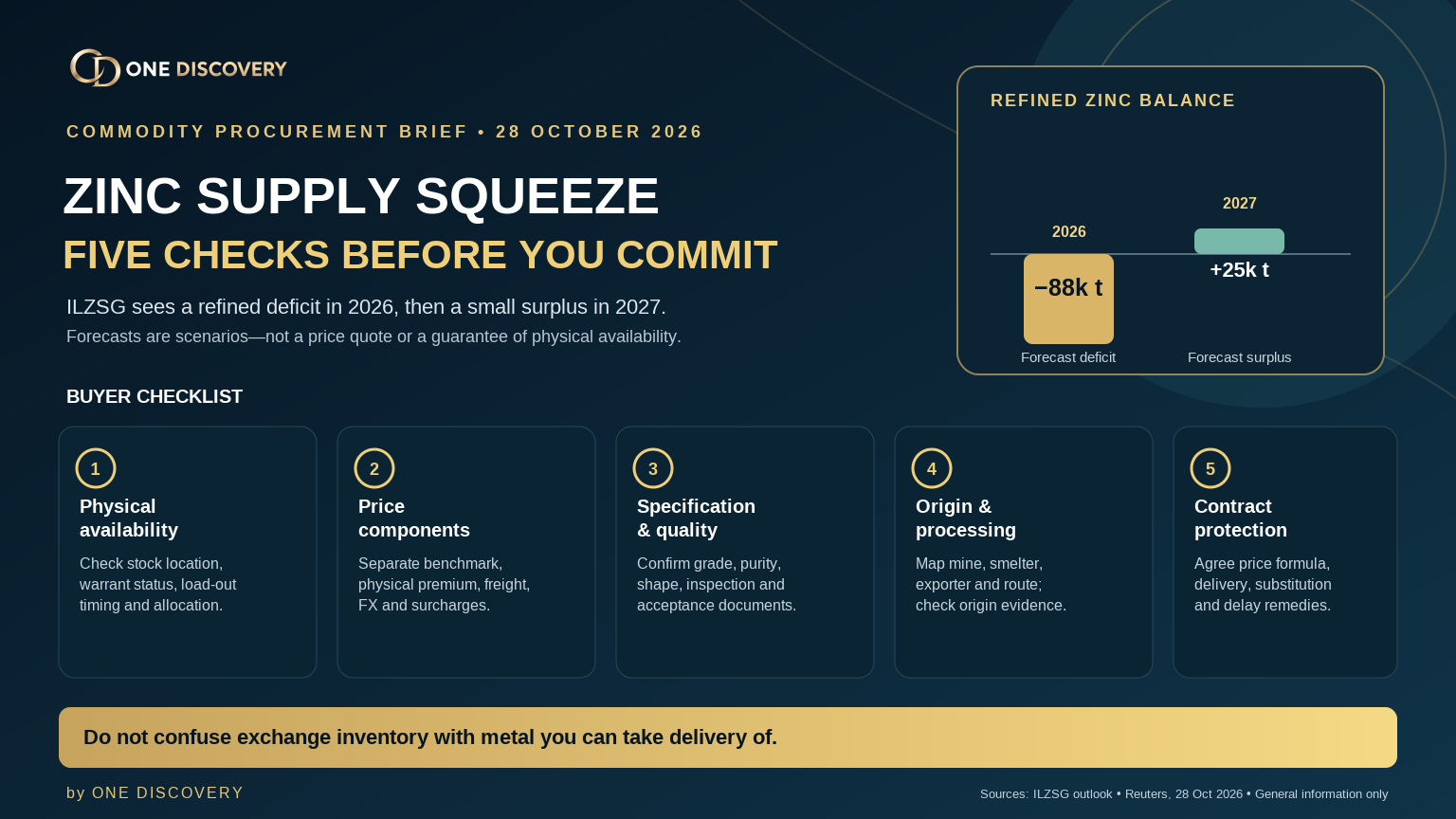
The ILZSG forecasts a refined zinc deficit in 2026 followed by a small surplus in 2027. Five checks for physical availability, pricing, specification, origin and contract risk.
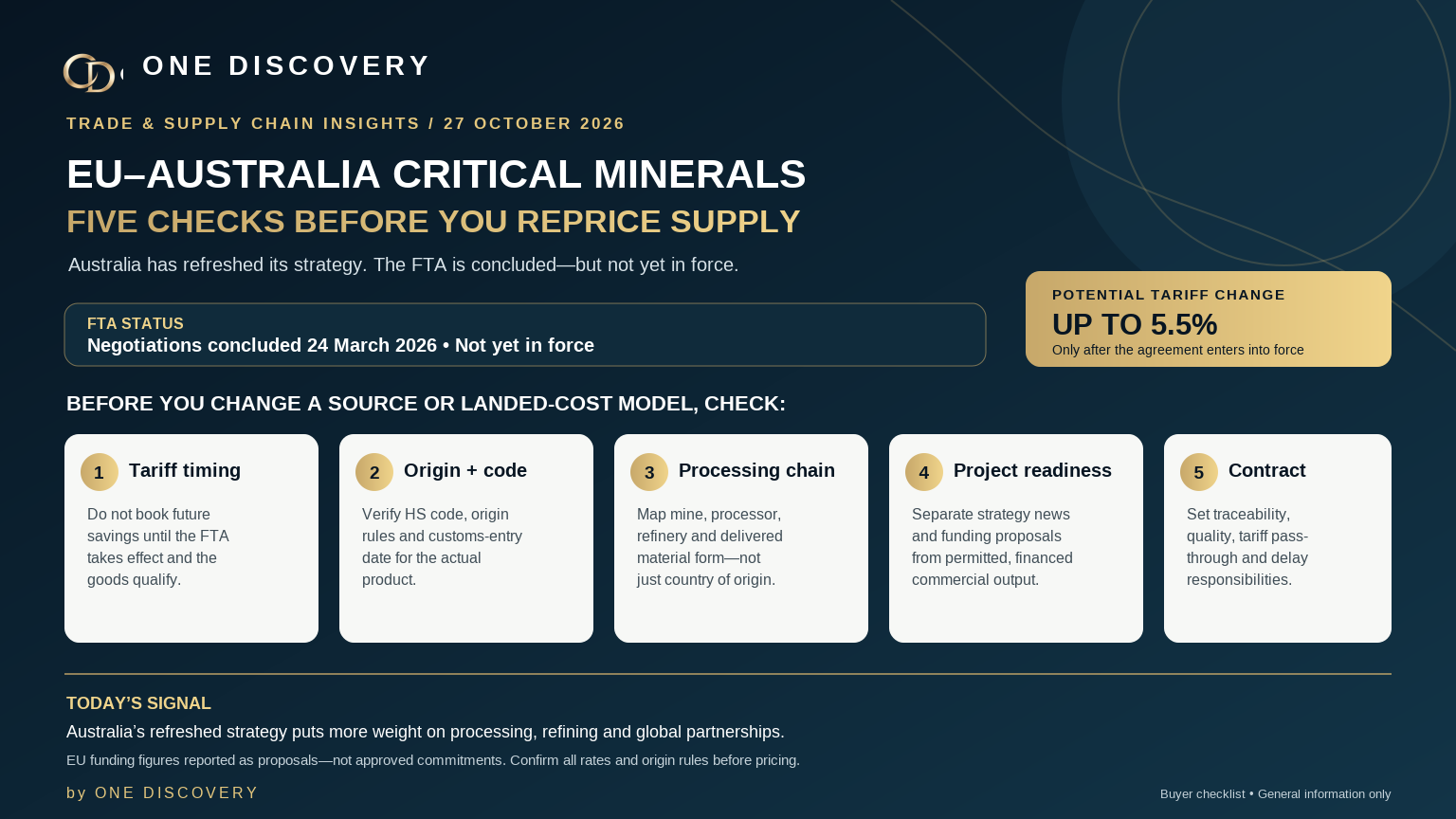
Australia’s refreshed strategy puts more weight on processing and refining, while the EU–Australia FTA remains not yet in force. Five checks for tariff timing, processing, qualification and delivery.
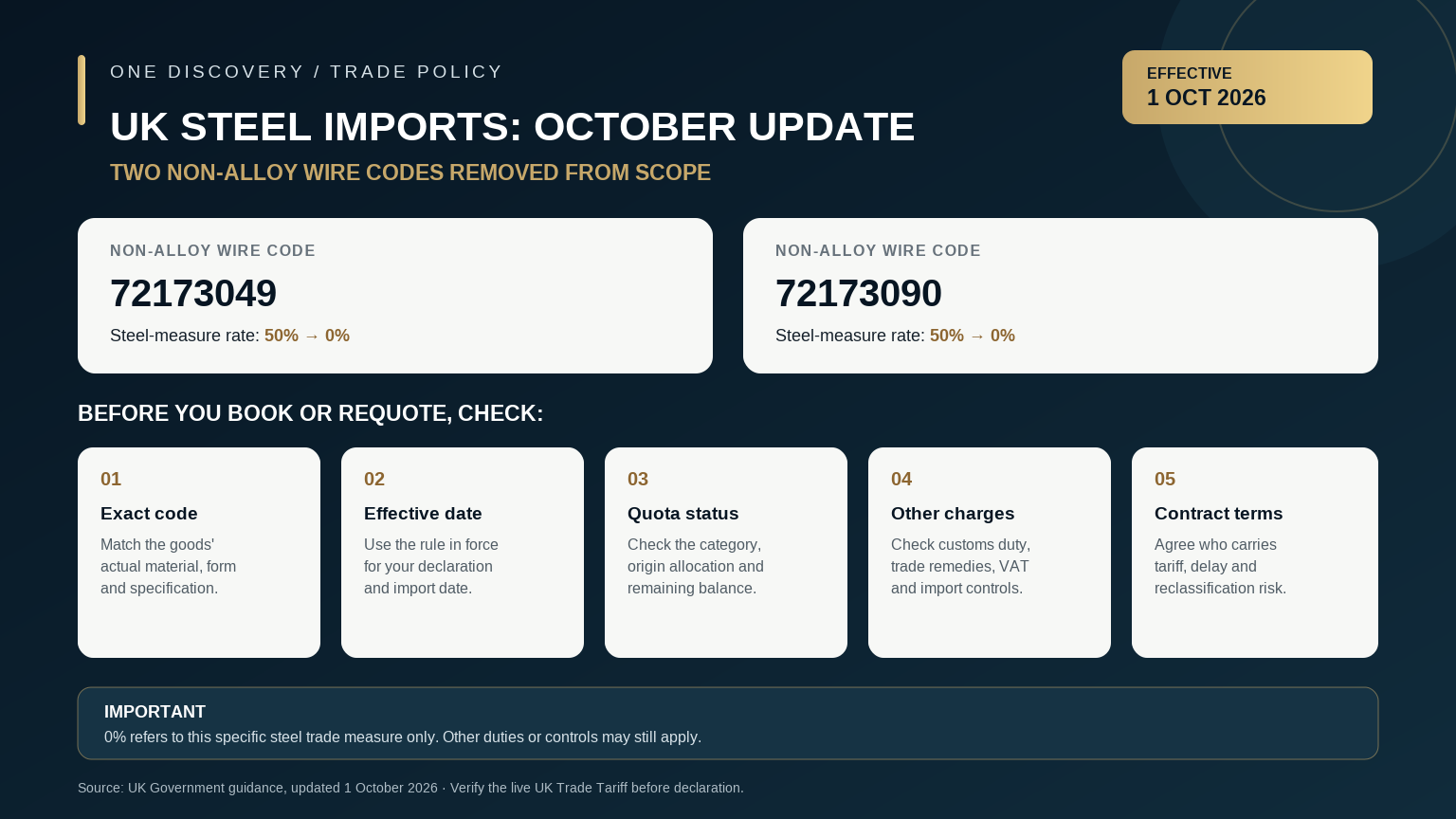
The UK Government removed two non-alloy wire codes from its steel trade measure on 1 October. Buyers should verify classification, quota position and other import charges before revising landed cost.
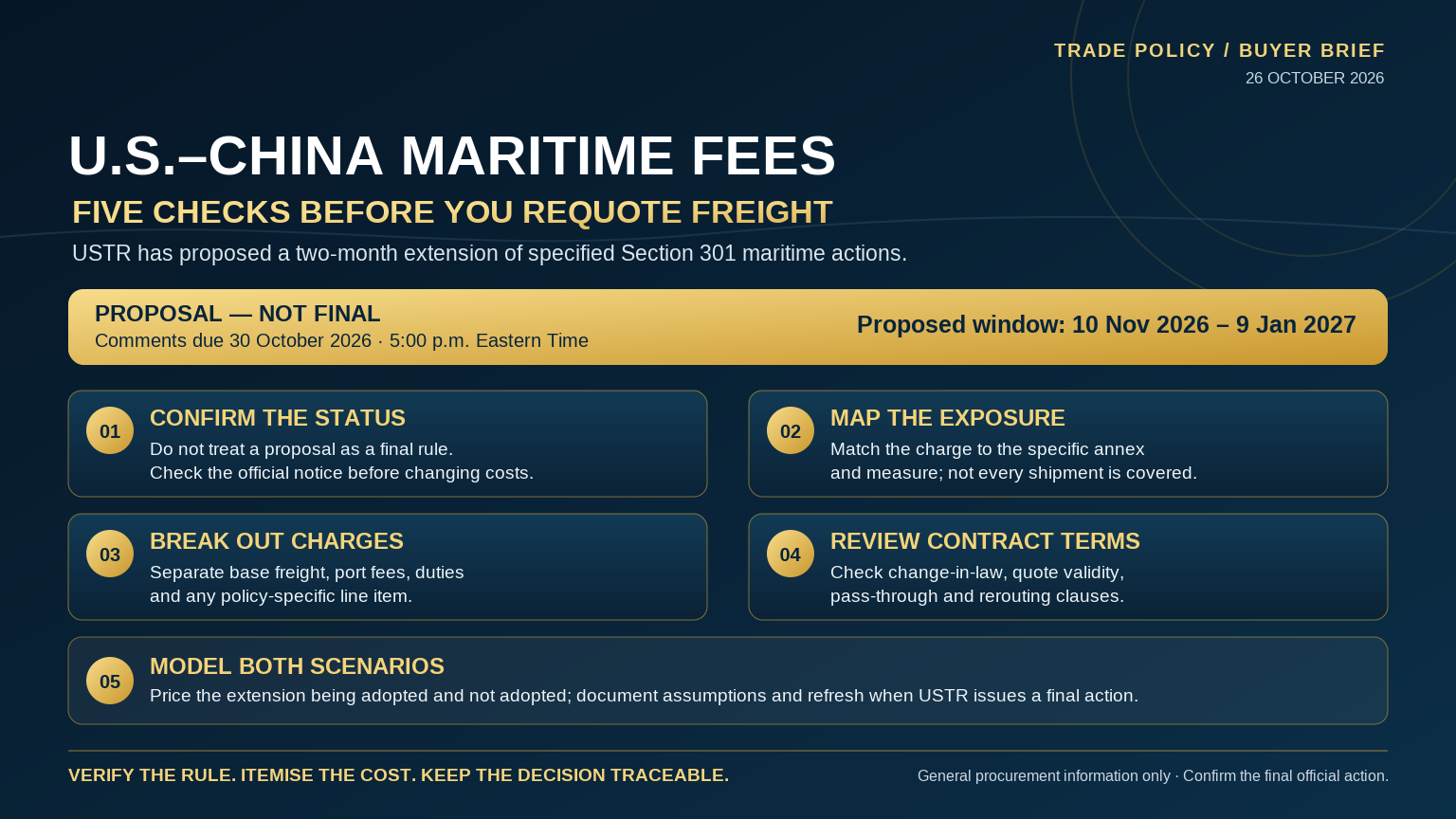
USTR has proposed extending the suspension of specified Section 301 maritime actions through 9 January 2027. Buyers should verify the status, itemise charges and model both outcomes.
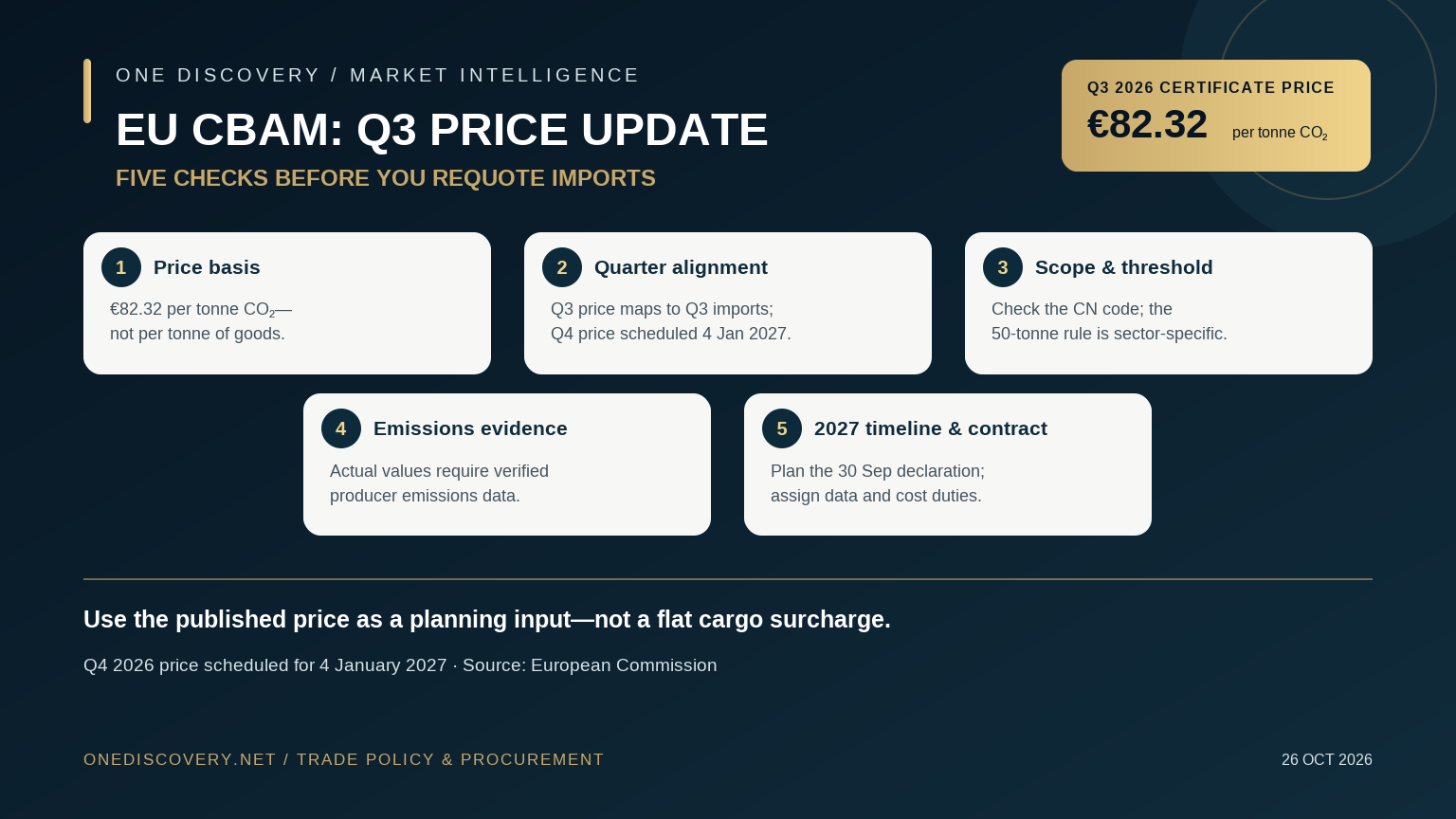
The European Commission published the Q3 certificate price on 5 October. Buyers should update emissions-based cost scenarios—not apply a flat charge to cargo weight.
The UAE Federal Tax Authority published Decision No. 13 of 2026 on verifying the validity and integrity of supplies. A practical checklist for taxable businesses reviewing suppliers, goods, payments and records.
Asian LNG buyers face volatile spot prices and uncertain routes. Use six checks to assess cargo readiness, contract exposure, terminal access and landed cost.
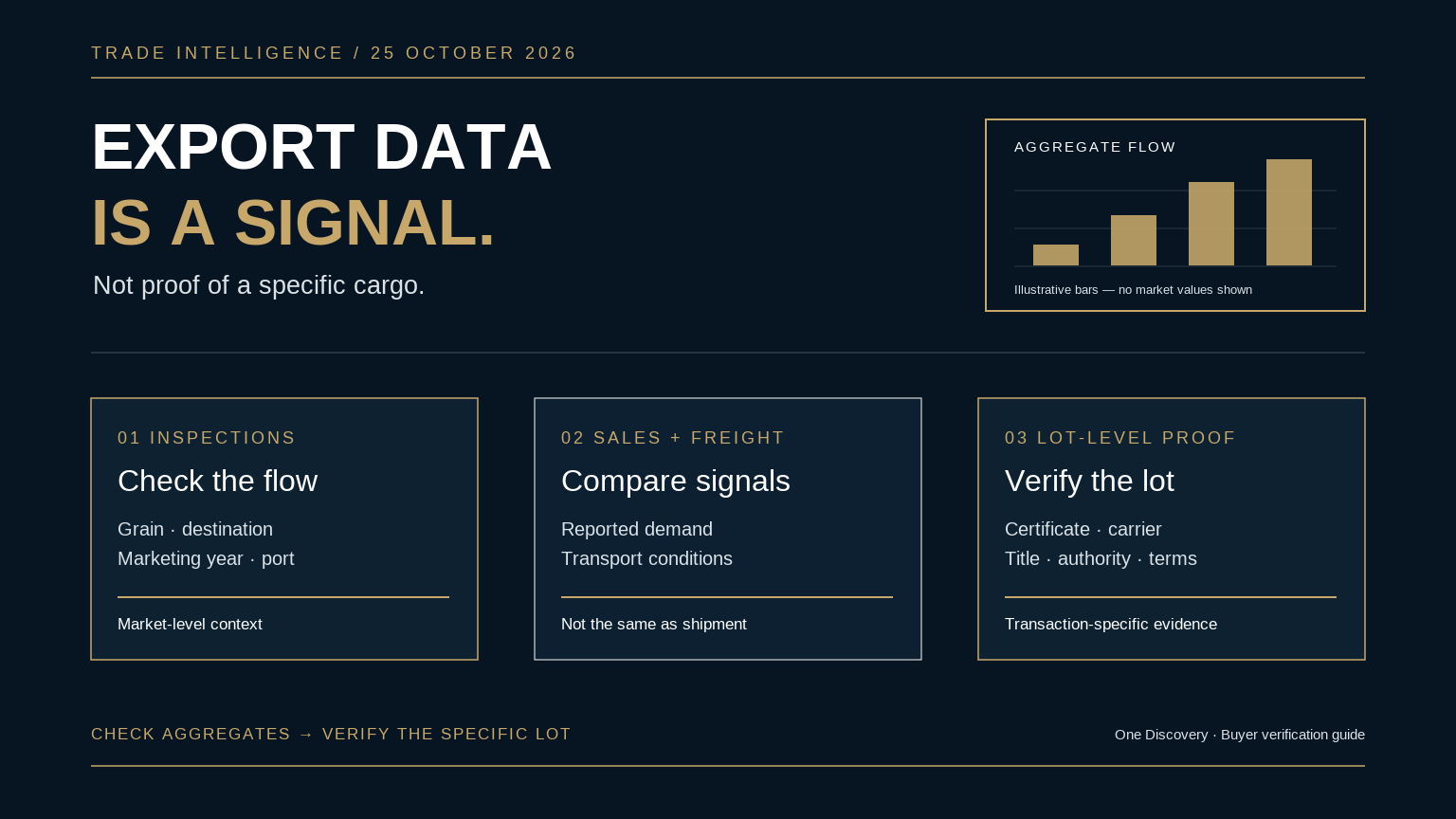
USDA’s new public dashboard shows export grain inspection volumes by grain, destination, year and port region. Use it to test market-level claims—then verify the specific lot separately.
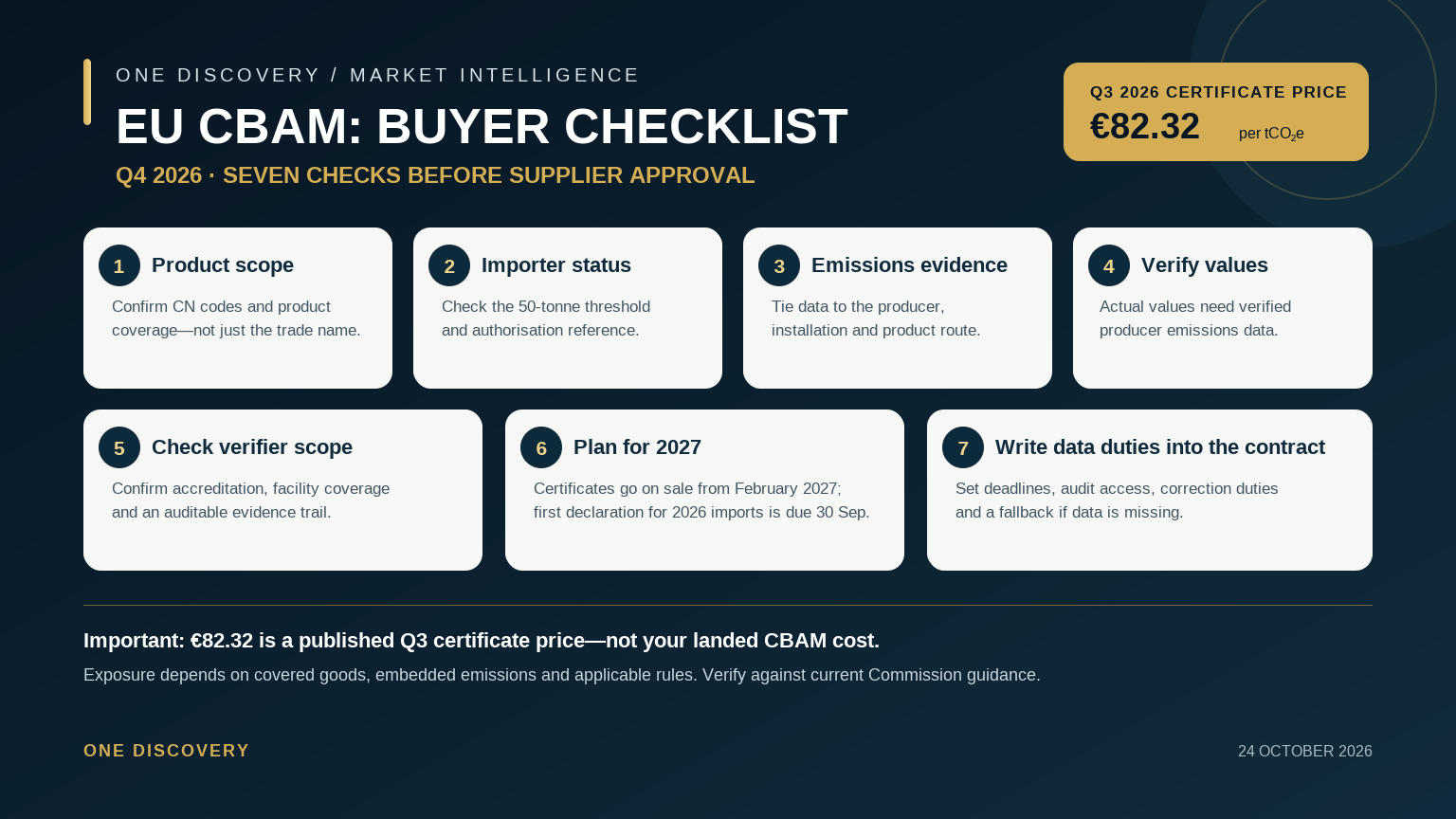
The EU’s CBAM is now in its definitive period. Verify product scope, emissions data, supplier contract terms and 2027 certificate planning before approving covered goods.
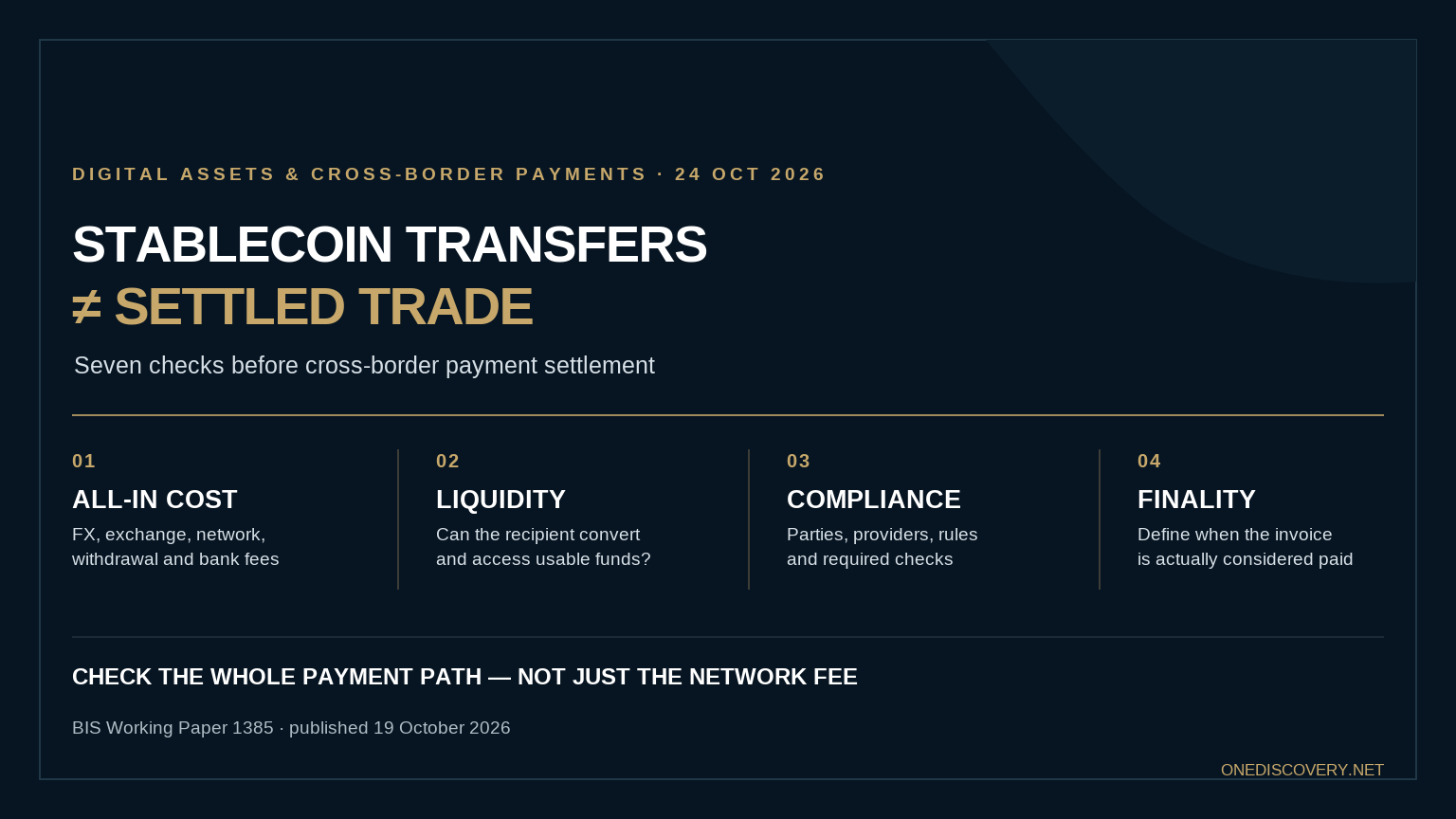
A BIS paper published on 19 October shows why buyers should compare conversion costs, liquidity, cash-out timing and contractual finality—not just blockchain fees.
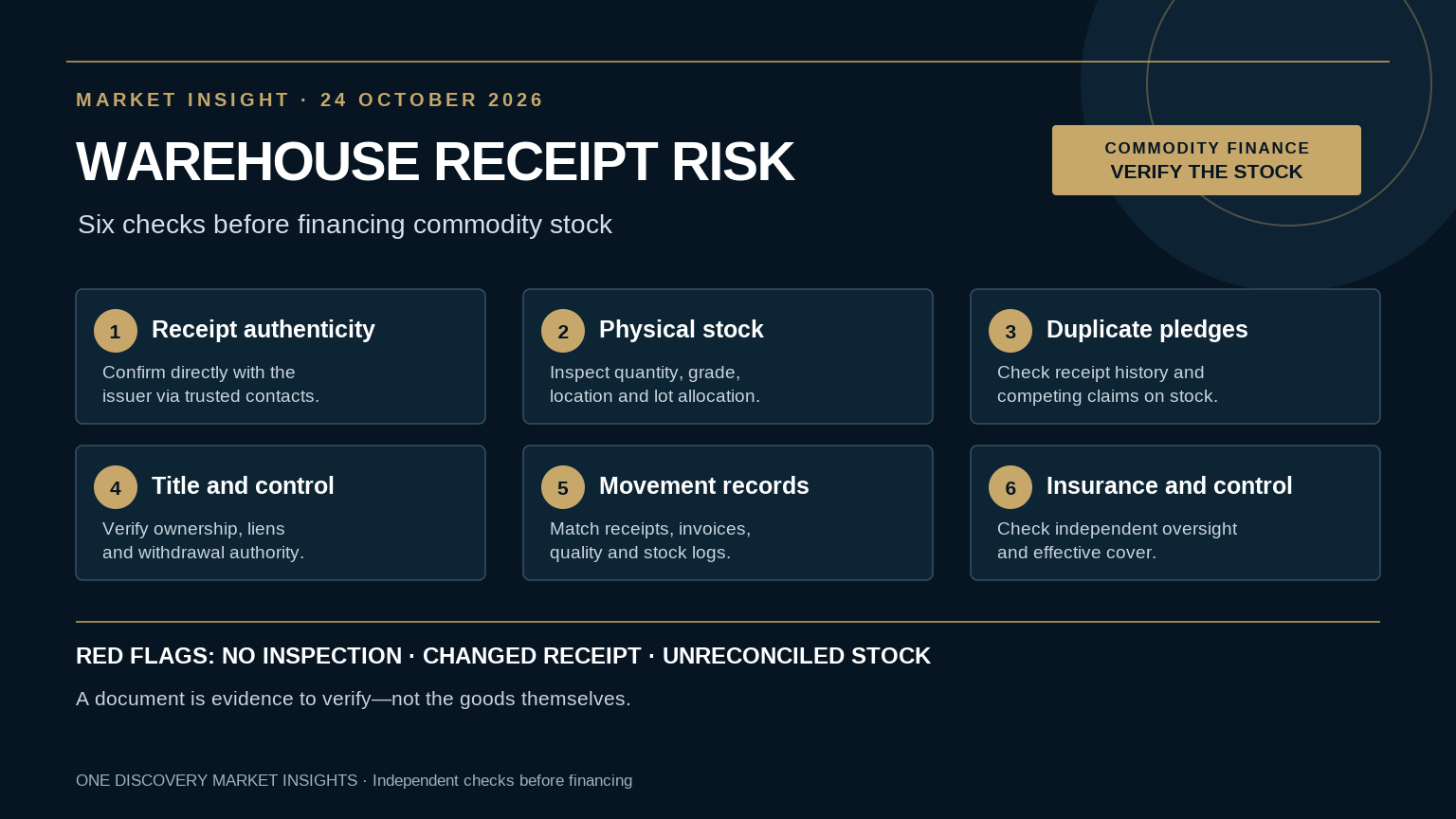
Warehouse receipts can be forged or duplicated. Verify physical stock, receipt uniqueness, title, collateral control and insurance before financing commodities.
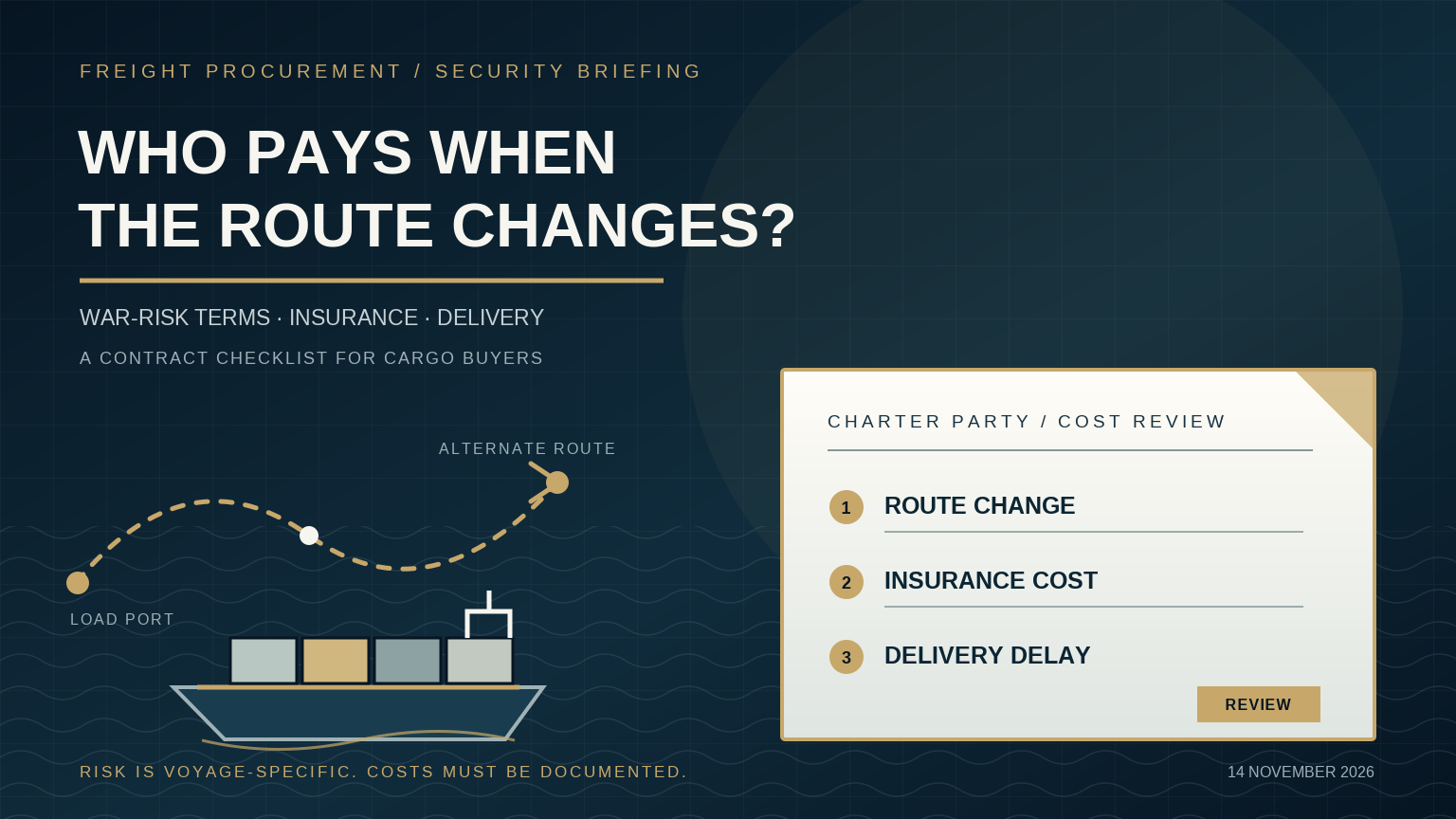
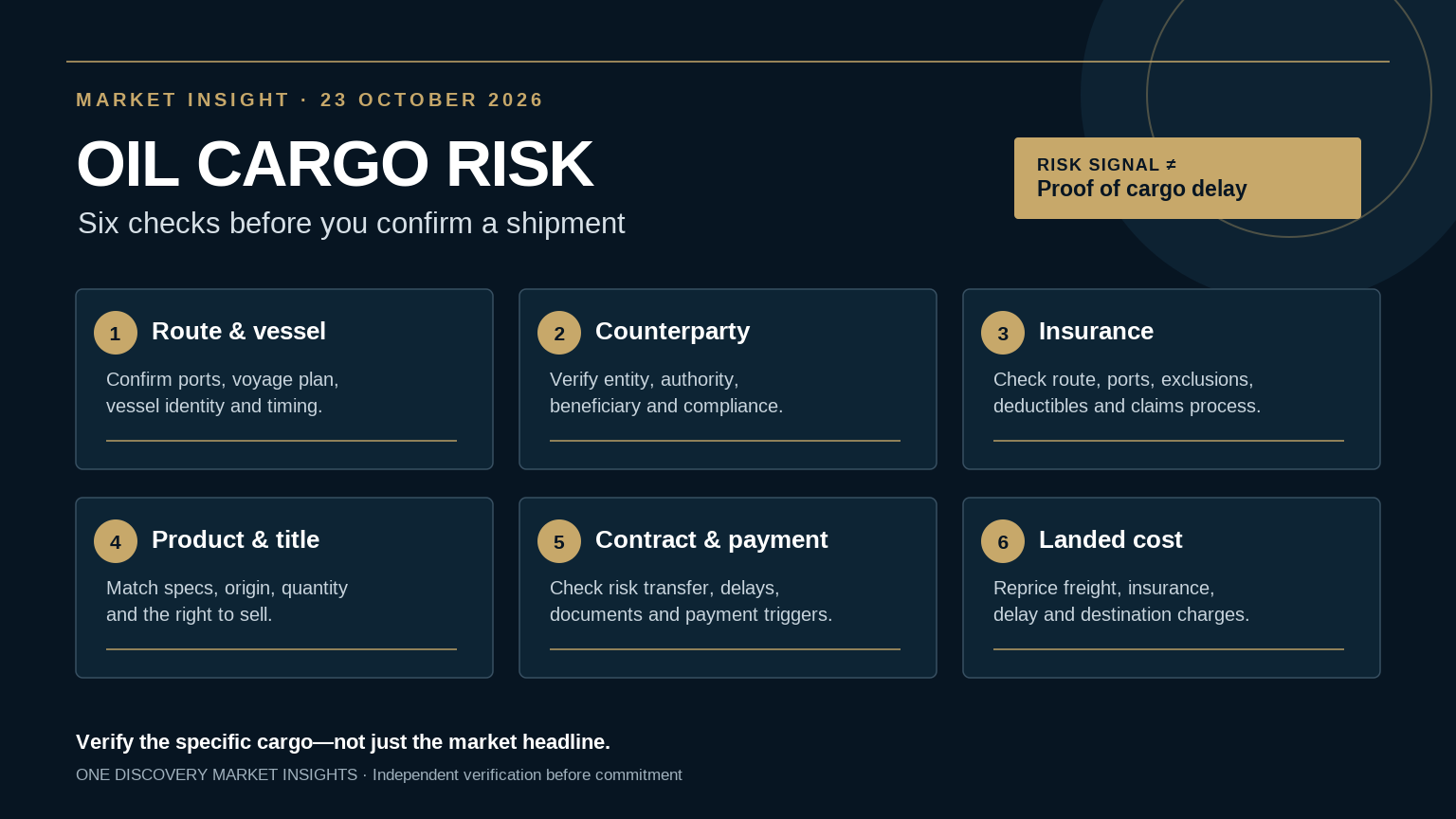
Recent oil-market and shipping-risk signals are a reason to verify a specific cargo's route, vessel, insurance, documents and landed cost—not assume every shipment is delayed.
India’s reported deadline extension may create more time to arrange raw sugar imports, but eligibility, allocation, documentation and landed cost still need to be checked.
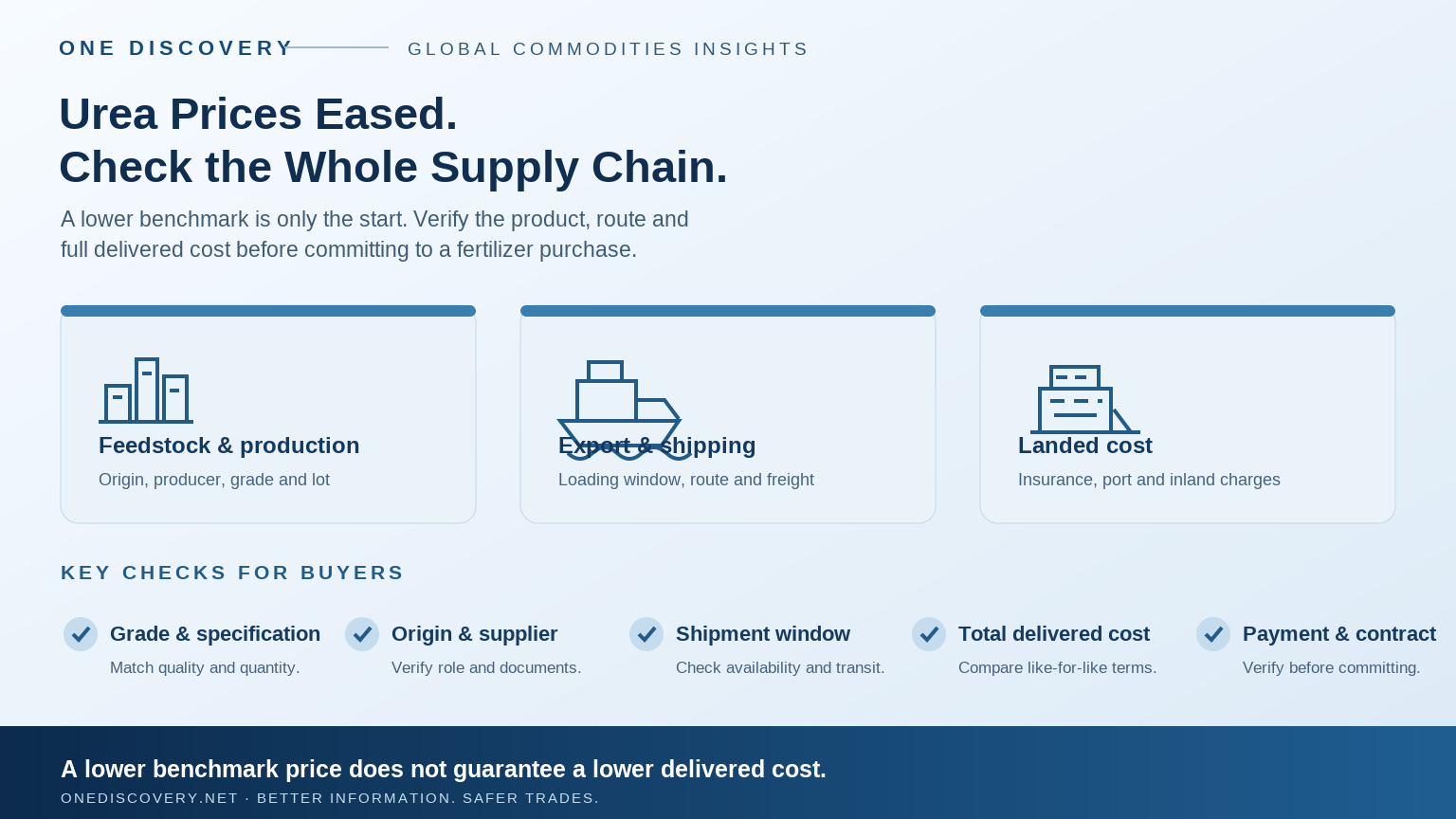
Urea prices have retreated from recent peaks in some markets, but fertilizer buyers still need to verify origin, grade, shipment timing, freight, insurance and landed cost.
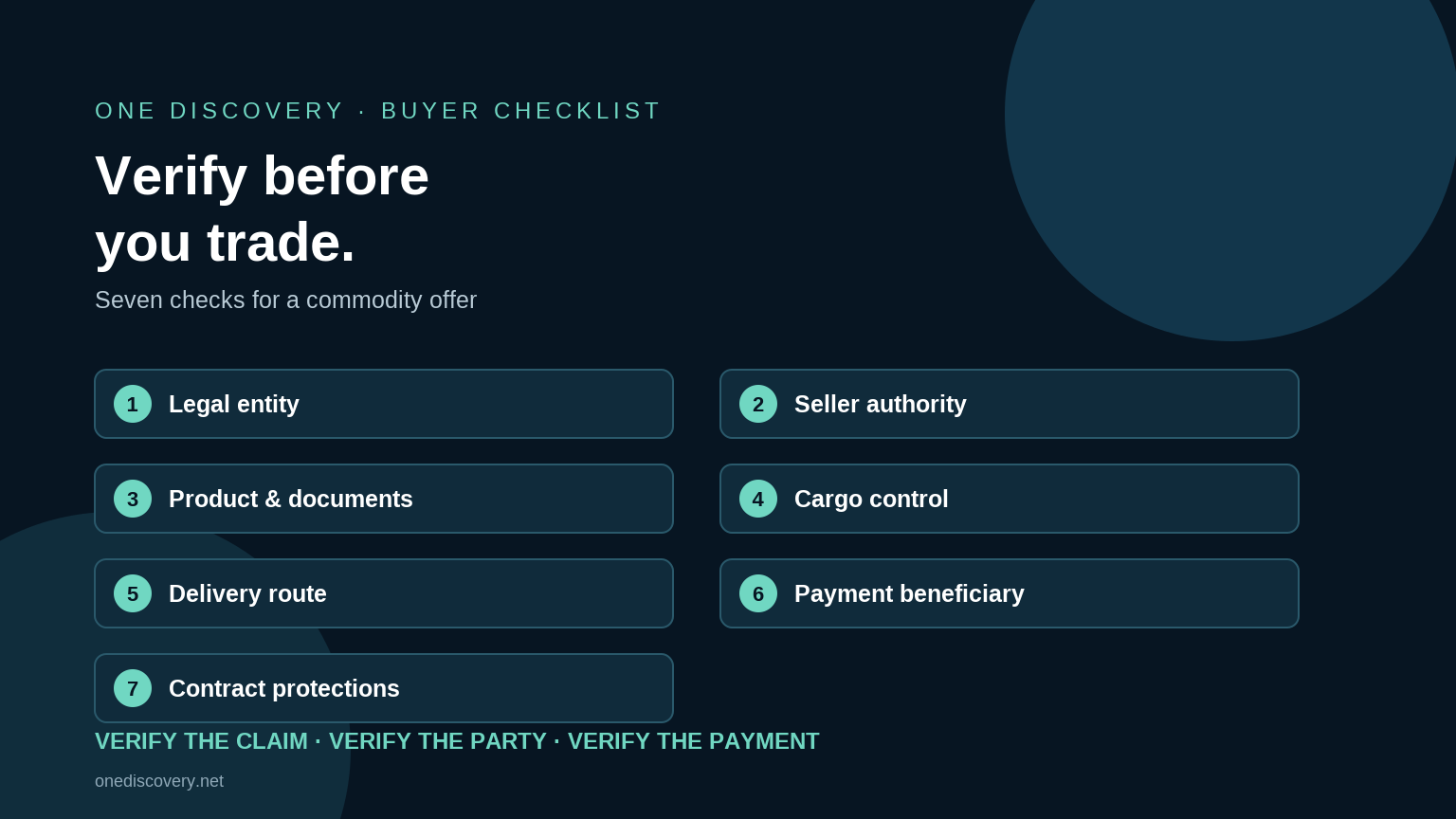
A practical due-diligence checklist for commodity buyers: verify the company, authority, product evidence, logistics, payment instructions and contract before committing funds.
Learn how maritime chokepoints, route changes and freight volatility affect landed costs—and how procurement teams can strengthen supply chain resilience.
El Niño is adding uncertainty to Southeast Asian rice supply. Learn how buyers can stress-test origins, shipment timing, supplier evidence and landed costs.
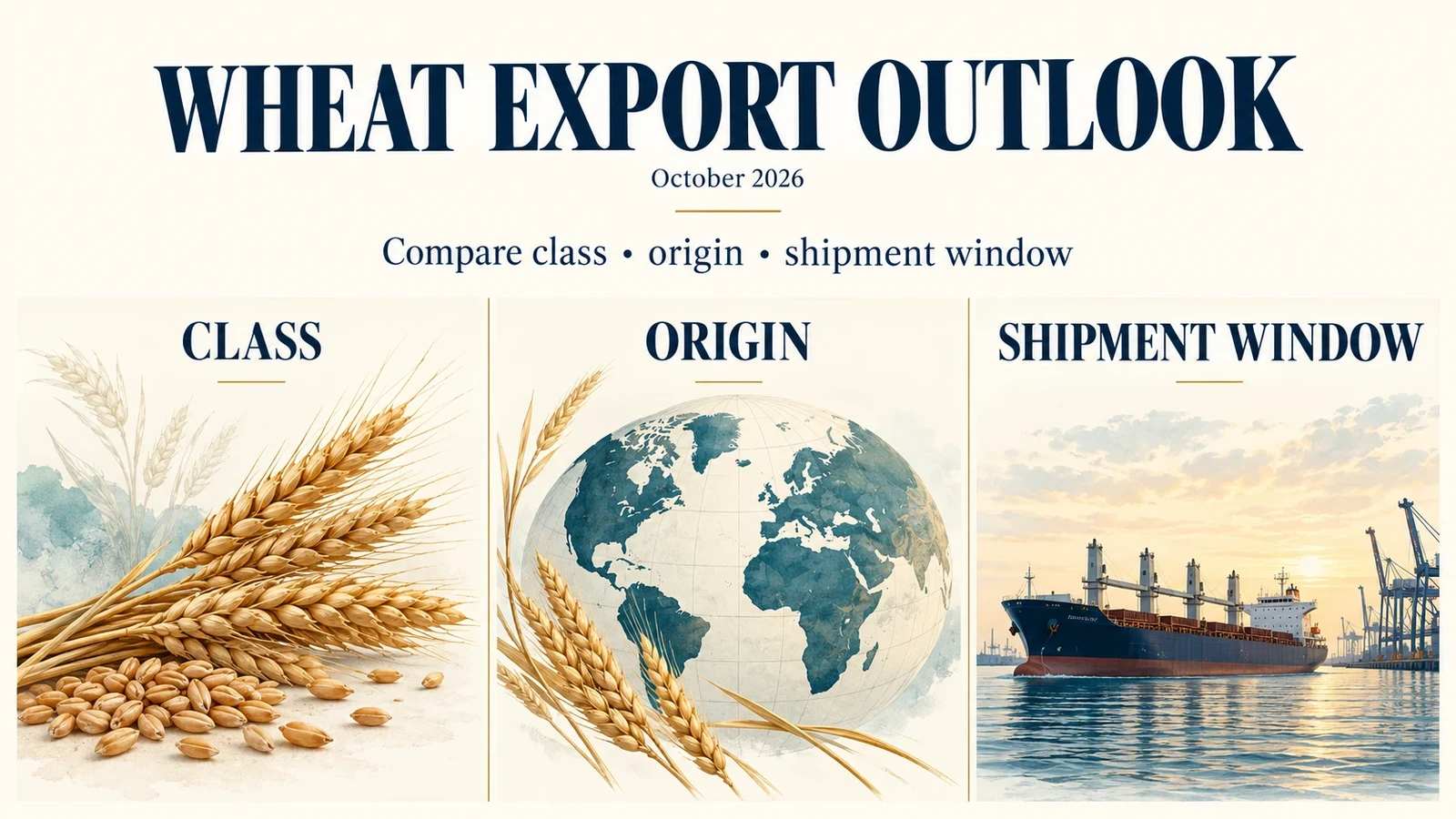
USDA’s October wheat forecasts shift the export comparison. Review wheat class, origin, shipment timing and cargo evidence before updating a sourcing plan.
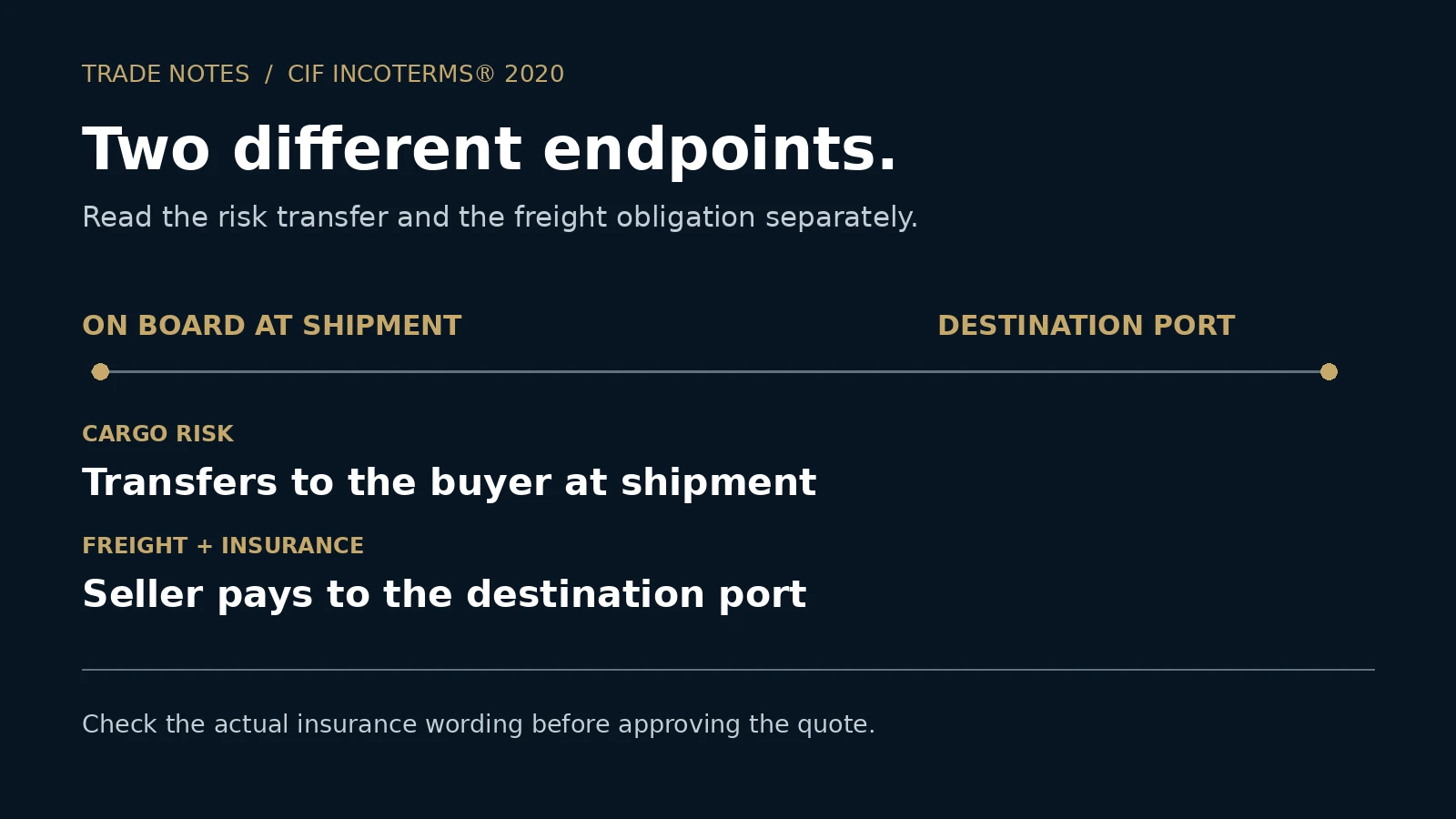
Review CIF freight, cargo risk and insurance before approving a quotation. A practical checklist for grain buyers comparing shipment terms and insurance cover.
Use the September FAO Food Price Index to review your own buying basket, compare supplier offers and separate commodity changes from other purchase costs.
G20 food trade talks do not establish shipment permission. A practical guide to official notices, cargo documents and execution checks for import buyers.
The United States has not imposed a final new filing rule. Importers should still test whether they can obtain reliable upstream party and document data.
France's delay request has not changed the 2027 EU methane import rules. A contract-by-contract guide to producer evidence, reporting and buyer readiness.